

Turkeys on the Table, Turkeys at the Cinema
At the Movies & In the Kitchen: December 5
This is my occasional, bloggy column for more casually written movie takes, cooking recaps, and general life updates. Don’t take anything too seriously.
Greetings from Tokyo, where I’ve kicked off a three-week vacation in Japan. It’s only been four days but I’m already a FamilyMart stan.
I had this grand idea of pre-writing a bunch of stuff in advance of this trip and parceling them out over the next few weeks, but then Thanksgiving planning took over so now I’m just writing in the morning. (For those new to this newsletter, running behind is a perpetual theme; I have like ten different posts drafted up at the moment.)
And there’s quite a few of you new readers—I got a weird uptick in subscribers over the past week or so, after Substack (finally) created a dedicated Film & TV category so I guess the algorithm is surfacing this newsletter to some folks? Hope you stick around 🙂 Up next will be my monthly movie preview.
Thanksgiving Update


A crazy thing happened at my Thanksgiving dinner: the turkey was served on time! Broken down and dry brined, it was a cinch to cook. Dark meat took less than 90 minutes, the breasts another 30. I couldn’t get the pomegranate glaze to reduce to a satisfying level of thickness so it didn’t really stick to the skin, but the turkey was still well-seasoned and juicy. Of the sides that I made, the miso-brown butter mashed sweet potatoes were the biggest hit, matched only by Doug’s giant tray of garlic-mushroom-bacon spaghetti.
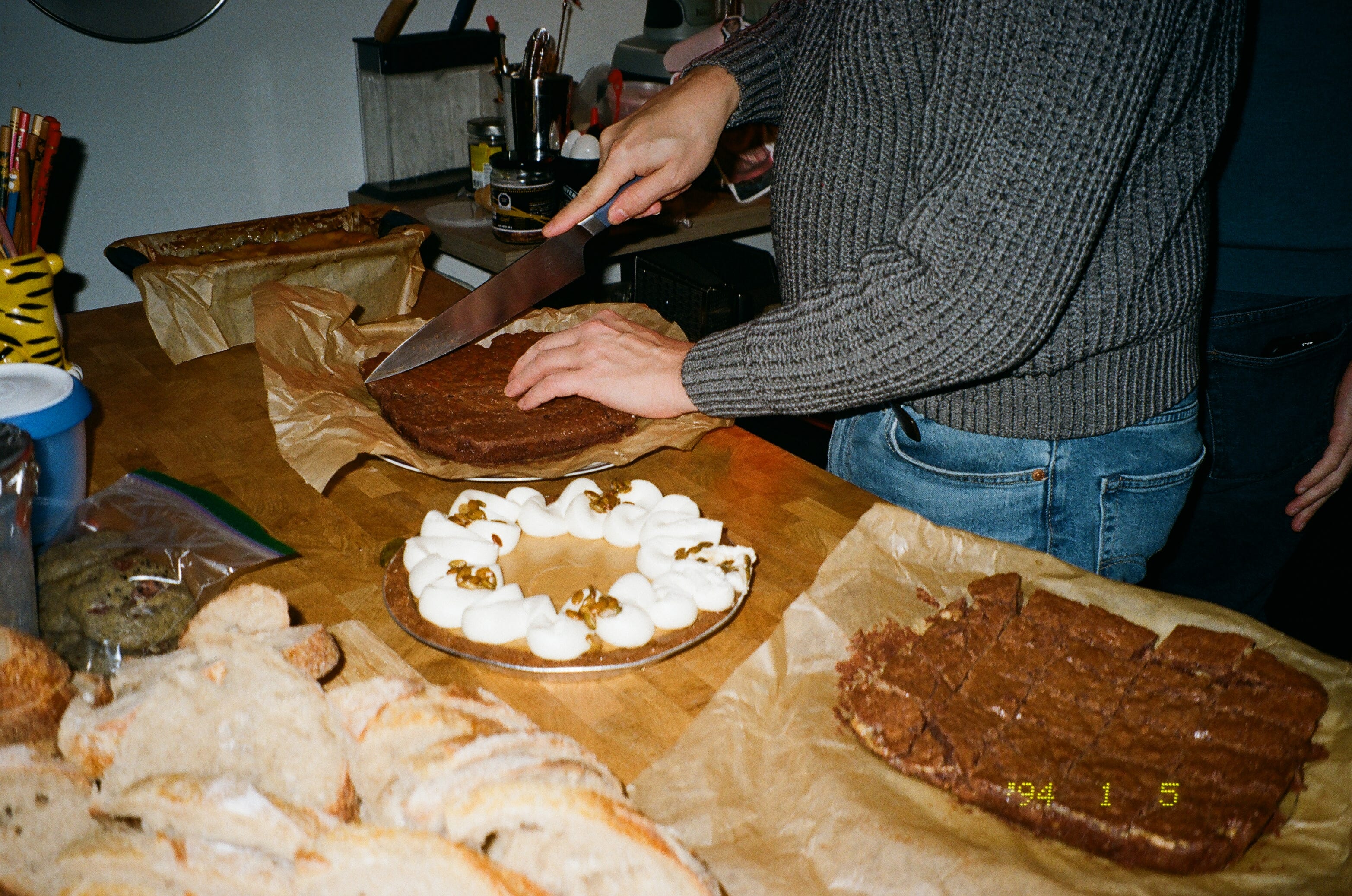
On the dessert side, folks immediately gravitated towards Dan’s black sesame ice cream, of which I could barely snag a bite, and I learned why an invisible apple cake is called just so (thanks Keith for making that, along with Katharine Hepburn’s brownies, which were just as gorgeous as she was!). Much wine was consumed, including a magnum of champagne that I picked up during a big sale at Astor. We ended the night with karaoke, as is customary when I host a party.


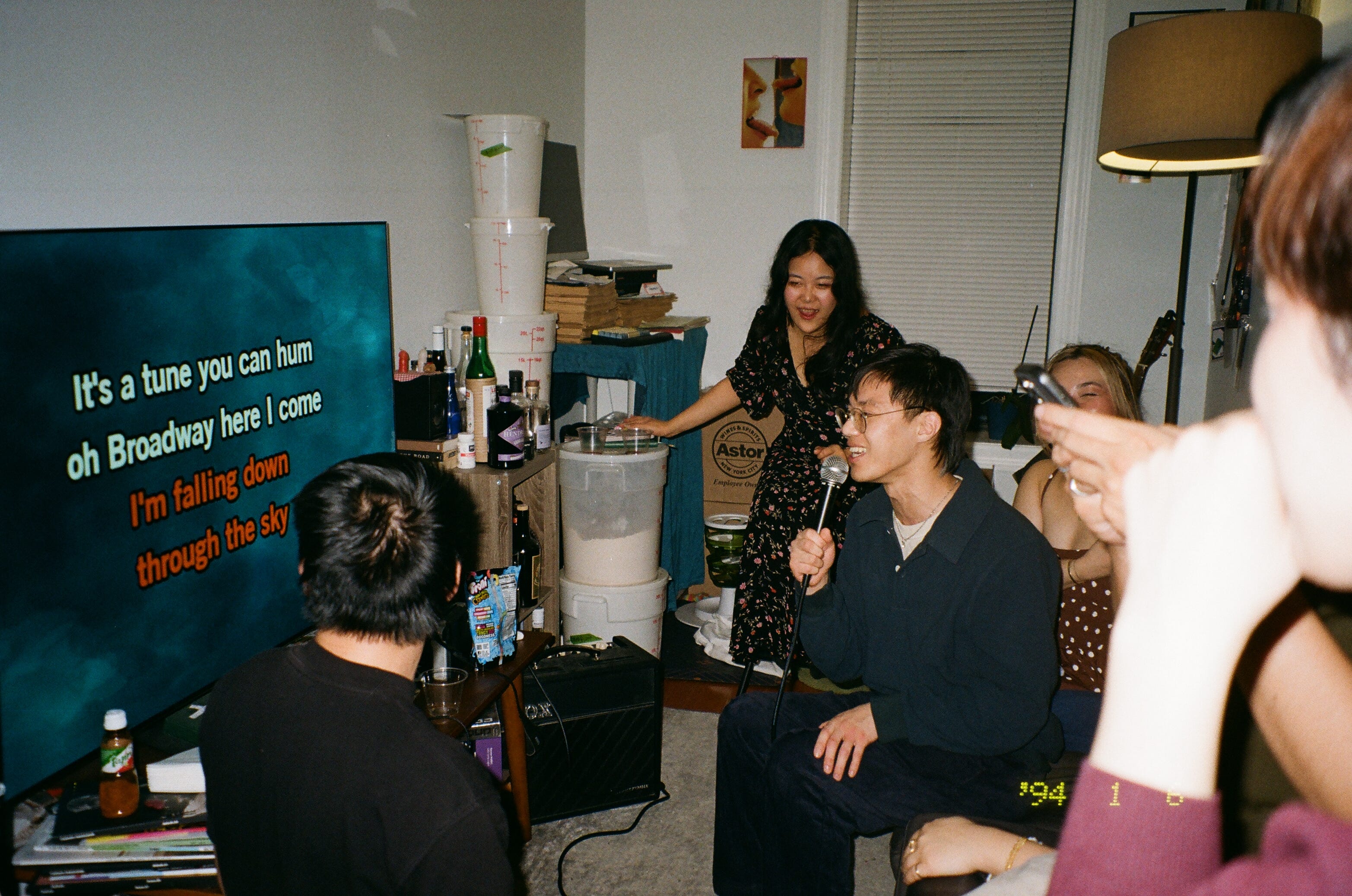
Despite packing my apartment to its utmost capacity for Thanksgiving—23 people, including me—there were a lot of leftovers! In anticipation of this, I had already planned Thanksgiving 2, day-after party where I’d serve up what remained, with the addition of poultry pho made from the bones of the turkeys and ducks I had broken down earlier that week.
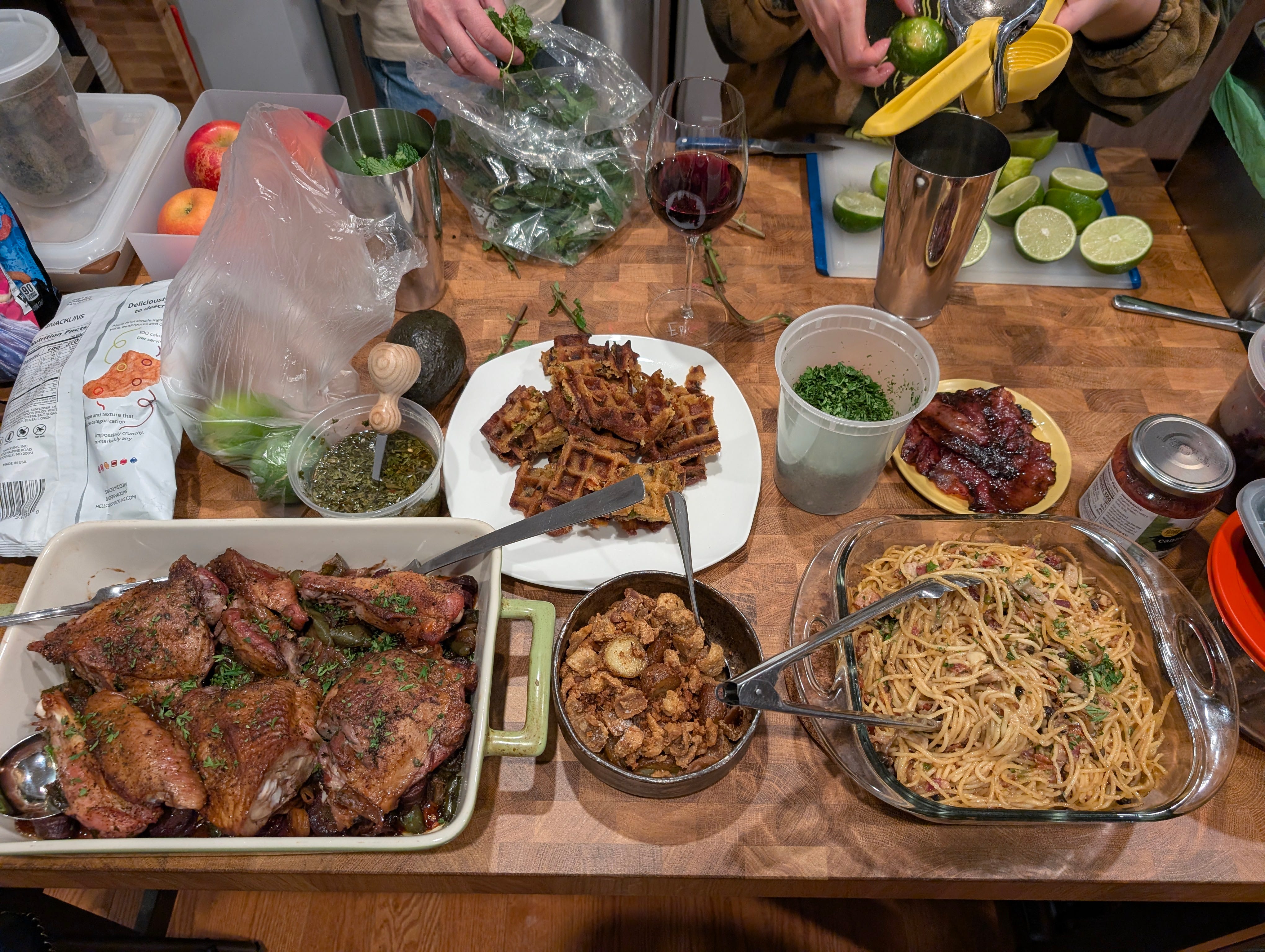
But as it was there was enough to feed 13 more people, so the bones went into the freezer for another time. Friday was a much more low-key affair, and to be honest, I had more fun eating the leftovers because I wasn’t so exhausted from having spent the entire day in the kitchen. We again ended the night with karaoke. (About half of the people who came to Thanksgiving 2 were just at my place the night before, which was pretty cool.)
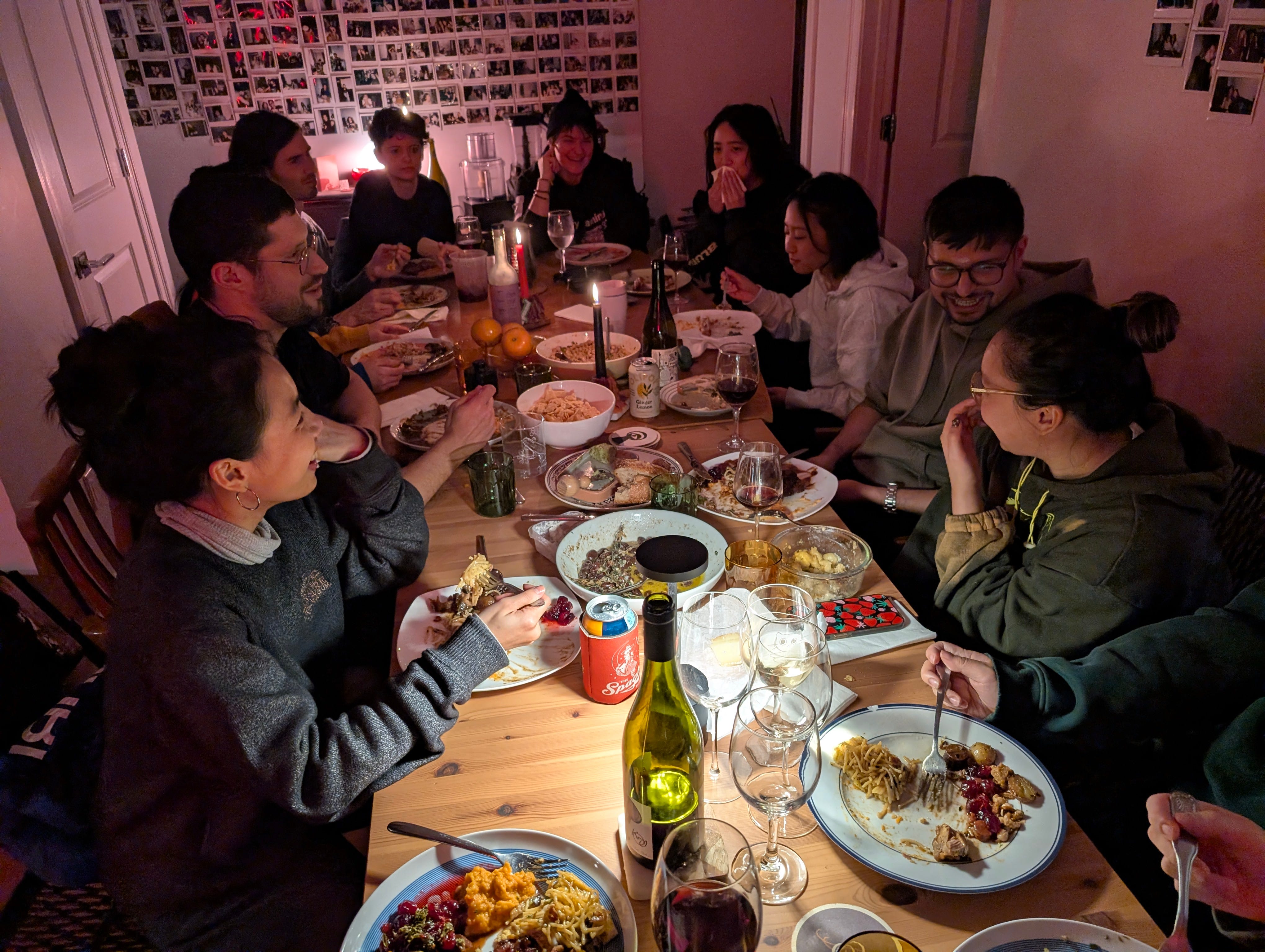
I was quite happy with the turkey on my dining table, not so much with some of the turkeys that have graced cinema screens in recent weeks. Here are some thoughts on some new movies, big and small.
Teenage Wasteland
Now playing in NY at the Film Forum. (Despite that wind-up about all new movies being turkeys, I quite liked this one!)
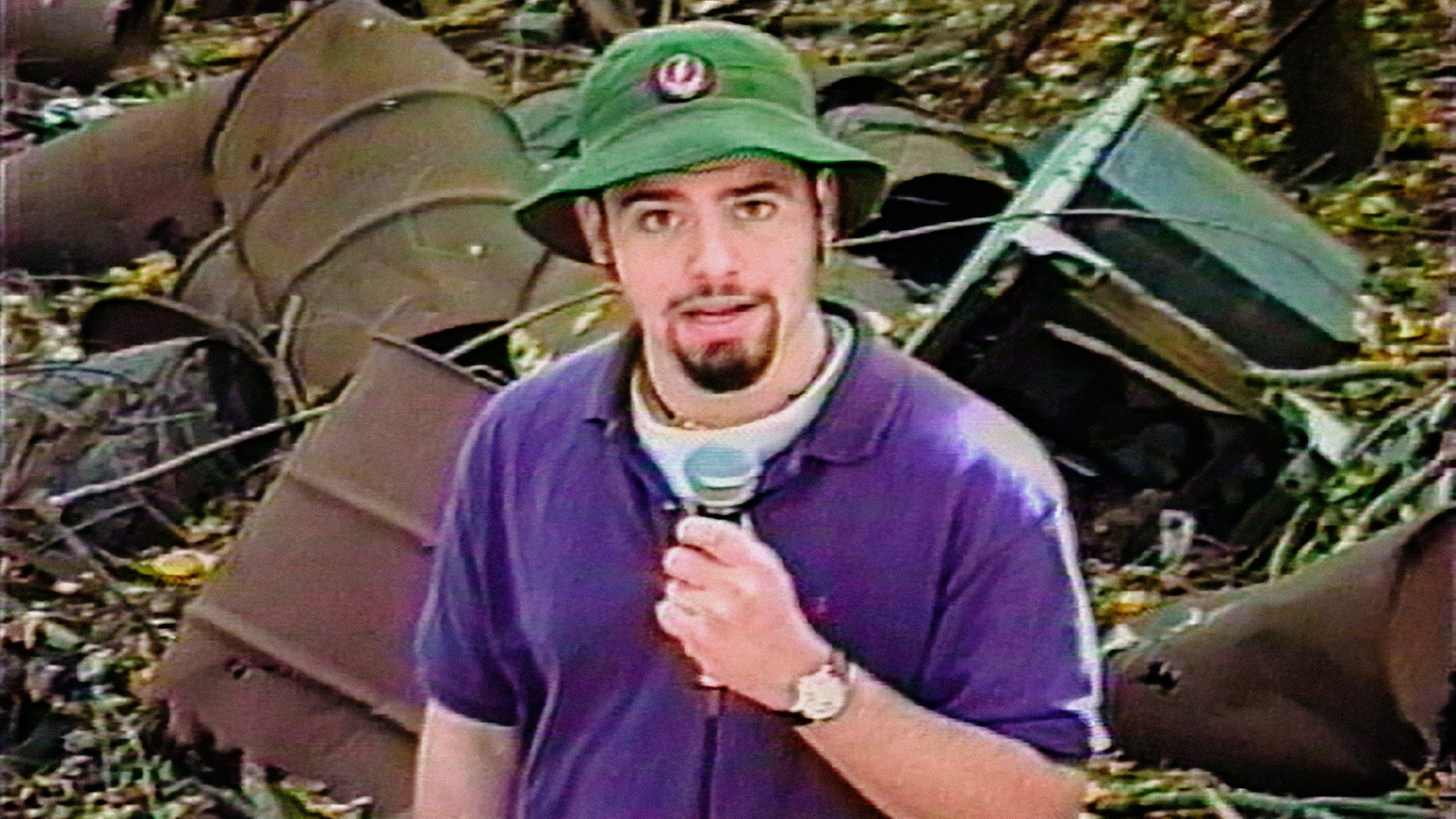
The directing team of Amanda McBaine and Jesse Moss continue their strong run of documentaries about teenagers receiving hard lessons in civic engagement. Following the excellent Boys State and Girls State, about mock-government summer camps, the pair have turned their focus to student journalism. Middletown, NY seems perfectly mid as far as upstate towns go, but in the 1990s a group of high schoolers, spurred on by renegade English teacher Fred Isseks, uncovered a putrid conspiracy involving a toxic landfill, government corruption, and the mob.
At first, this mismatched crew of punks, jocks, and loners—teenage dirtbags, all—are dismissed by local institutions. Their investigative documentary Garbage, Gangsters, and Greed eventually drew national attention, but real accountability still remains elusive. Built upon hours of archival material and retrospective interviews with the former teens and their teacher, this journalism procedural makes the case for what Isseks calls civic courage: to “act as if we live in a real democracy” and believe that presenting evidence of wrongdoing will result in real change, even if it probably won’t. It’s the same sort of jaded optimism expressed in the coda of One Battle After Another.
Eternity
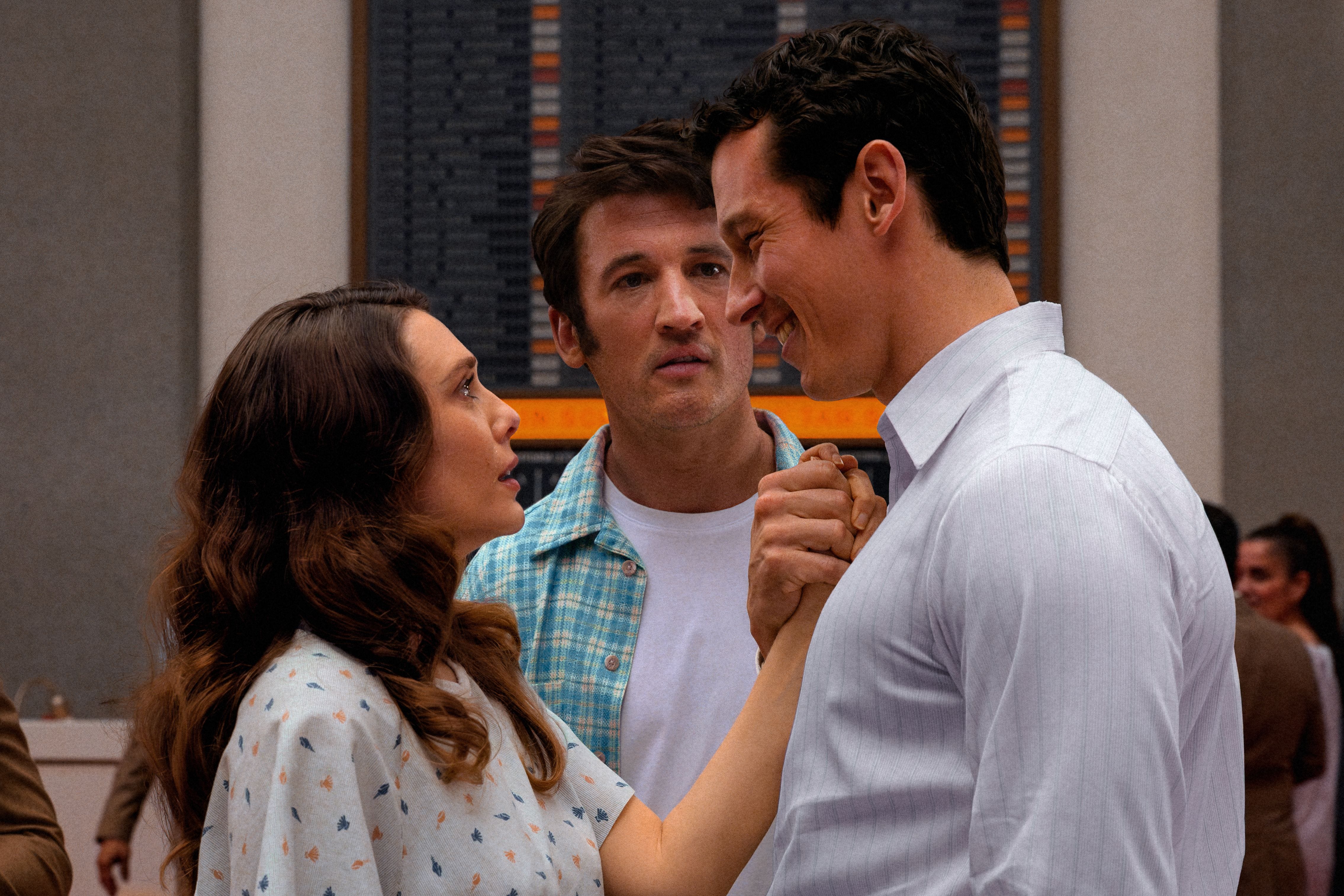
It certainly felt like one!
I jest, because it’s pretty solid, if not the fullest realization of the material. The first hour feels too boxed in by the premise: whilst in limbo a woman must choose between spending eternity with either her first husband (killed in the war, they never got to share a life together) or her second gentleman (65 years of marriage with great-grandchildren ain’t nothing to sniff at). The love triangle is fun but not very strong—it’s pretty obvious that this specific character would choose the man who built a full life with her over the young, passionate love that never had to go through quotidian struggles. Fittingly for a movie about a perpetual hereafter, it manages to pack in five lifetime’s worth of big rom-com moments.
Hard to see past The Good Place of it all: a pre-fab afterlife with mid-century stylings (the practical sets are cool!), controlled by a disconcertingly totalitarian bureaucracy. It’s pretty messed up: you have one week to decide which fantasy world you’ll spend your eternity in, no take backsies otherwise you end up in The Void. You have no idea which eternity your loved ones chose and will choose. There is allegedly a perfect eternity for everyone, which leads to plenty of sight gags: medical drama world, yacht world, beach world, “Weimar Germany with 100% less Nazis.” (It is implied that an eternal Third Reich also exists.) Perhaps befitting this Silent Generation trio, Eternity is fundamentally conservative in perspective: pave paradise and put up a cul-de-sac, and it’s still paradise to them.
Hamnet
To see, or not to see, that is the question. My answer would be not to see Chloé Zhao’s emo grimdark Shakespeare fanfiction. Connecting the death of his young son Hamnet to the writing of Hamlet (the right kid died, apparently) but focusing on the Bard’s wife (called Agnes in the film), one could more generously call this a form of critical fabulation, filling in a gap in the historical record. (It’s not really about Shakespeare.) Early reports out of film festivals described this movie as one that left everyone crying, but there’s a reason toothpaste commercials say only nine out of ten dentists recommend a particular brand.
Wicked: For Good Is No Good, But it is More Good Than Part One
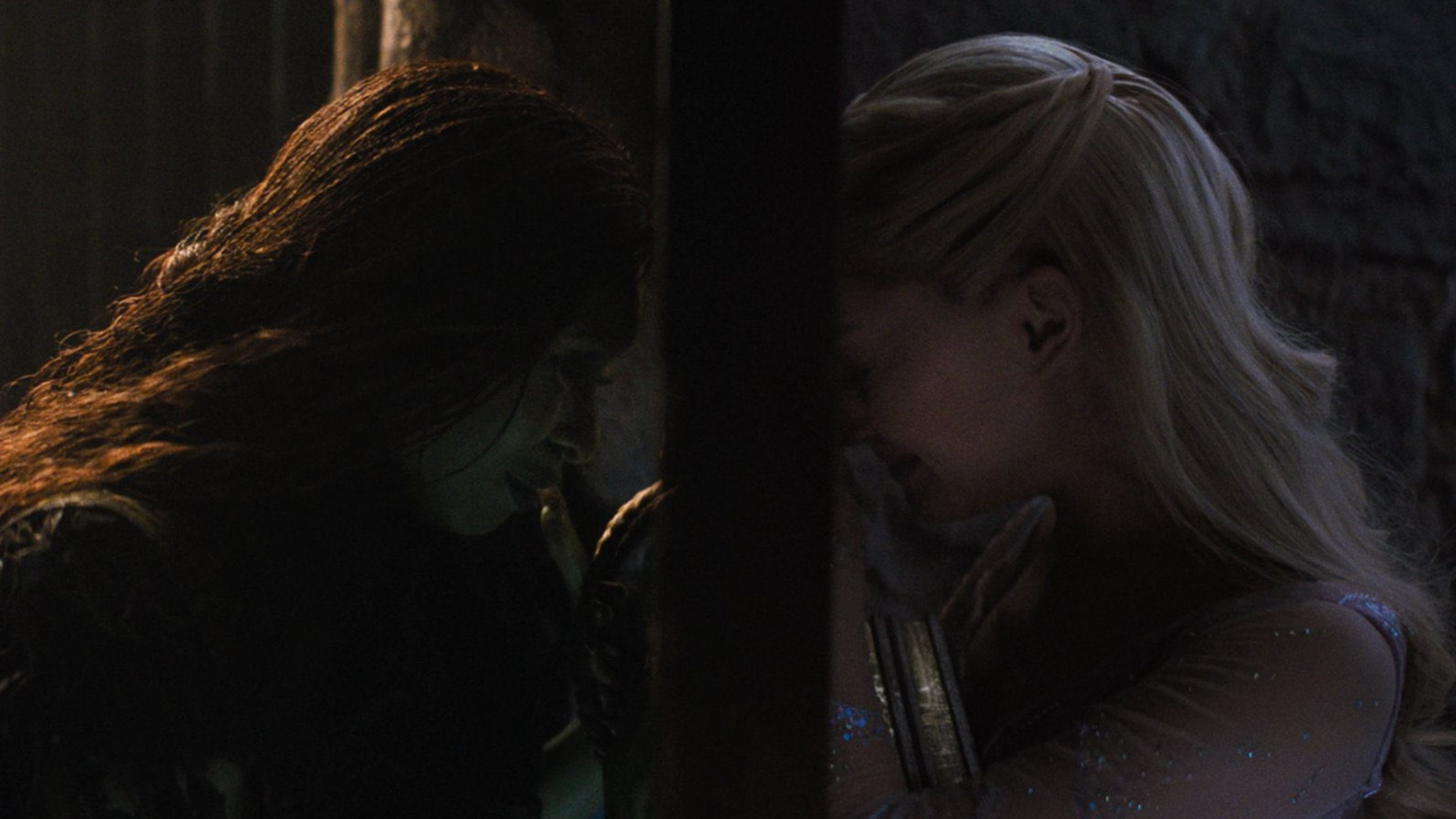
I am famously, dubiously, one of the biggest haters of the first Wicked movie, in large part due to horrific directing choices on the part of Jon Chu. I seem to be one of the few people who enjoyed the second movie more than the first, but that was an incredibly low bar to clear; instead of indignant hatred I merely found it dull. It wouldn’t be fair to expect any significant changes, since these Wicked movies are two halves of the same production and should be considered as one (in)coherent work1. As such, I just don’t have the same amount of venom as last year. The strengths remain strong: set design (Emerald City as Coruscant, a fellow art deco fantasy realm), costumes (sex cardigan notwithstanding), and acting performances. The weaknesses are largely exacerbated.
While Wicked: Part One received rapturous praise from critics and audiences alike, response to For Good has been a bit muted if still positive. A large part of that is inherent to the original stage musical—the second act is darker in material and the songs aren’t as memorable—and the creative team misses an opportunity to make changes. Instead, they draw it out. The first act of this second act is awfully listless, only picking up once Elphaba and Glinda meet again. From there, the film is propelled solely off the strength of Cynthia Erivo and Ariana Grande, culminating in their breathtaking duet of the subtitular song. If the prior act/movie gave Erivo her chance to fly, and this time it’s Grande who gets the opportunity to soar. Last year, she got an Oscar nomination for Best Supporting Actress and she’s being campaigned there again. But if the Actors Branch of the Academy has any sense, they’ll reject that suggestion and place her in contention as Lead.
I was less annoyed by the staging of the musical numbers in For Good than with Part One, since fewer ensemble pieces means less frustration with incoherent cutting rhythms. But Chu remains a pox on the contemporary movie musical. He borrows from the worst aspects of the Marvel house style: drab lighting, bloated runtime, an allergy to blocking, and unnecessary CG action sequences2. Adding to the pile of sins this go round is that during some songs, the chorus is heard but not seen; it’s the moviecal equivalent of violating the 180º rule. This is especially evident during “No Good Deed.” Just as with “Defying Gravity,” Elphaba’s big song in the first act, Cynthia Erivo’s belting is drowned out by sound effects and we’re distracted by all the CGI monkeys flying about. Once again, what should be a powerful moment is reduced to slop.
In my mind, there’s one way that Chu can atone, and become a force for good: cash in his blank check on an unabridged movie version of Avenue Q. (It famously won Best Musical at the Tonys over Wicked.)
For Good was formerly titled Part Two, a sure sign of confidence—cf. the renaming of Mission: Impossible - Dead Reckoning Part Two to The Final Reckoning.
The performances in the concert special Wicked: One Wonderful Night look and sound so much better. It moved me to tears for the right reasons.