

The Language of Teaching Film
NYU Professor Matt Prigge on career origins, structuring syllabi, and having Spike Lee as a co-worker.
Happy Friday everyone! There were two pieces that I meant to publish last/this week—a rundown of the Oscar-nominated short films and mini-reviews of three titles in MoMA’s Doc Fortnight lineup—but they are severely delayed (sorry!) because I’ve been heads down on prepping for my Oscars Dinner Party. The first two services are this weekend, and there’s the potential for another round. (Subscribers, check your Substack chat inbox!!)
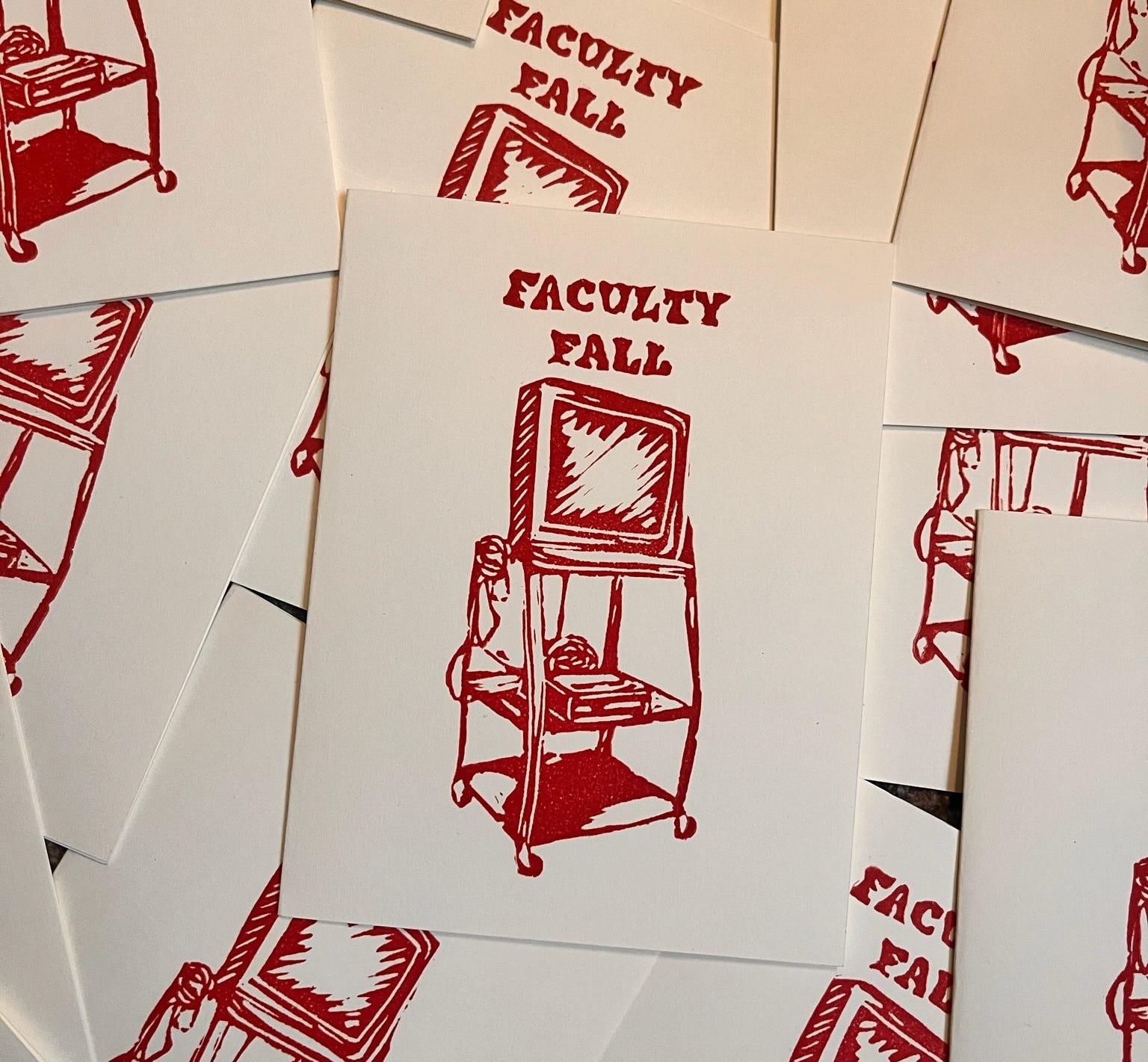
My friends at 4R Press just published a new issue of their zine! I contributed an essay to “Medieval May,” and this time I have a piece in “Faculty Fall.” But it took awhile to get finalized so now it’s Faculty February.
An issue devoted to films about faculty wouldn’t be complete without hearing from faculty who teach film. So I spoke with my friend Matt Prigge, a Senior Editor at The Week who also teaches Film Studies at New York University, and re-arranged our conversation into an essay format. We had to cut a few bits out due to print space, so here’s the extended version of the piece. You can read the full zine, with contributions from a bunch of talented writers and artists, here:
The Language of Teaching Film: An Interview with Matt Prigge
A version of this piece was originally published in 4R Press, Issue #5, Faculty Fall. As told to Andrew Truong. Edited by Chrissy Griesmer and Jake Maher.
I fell into teaching by accident. I started off as a film critic in the mid-90s, back when the Internet was still this nascent information superhighway. I had a blog on Geocities in a section called Hollywood Hills. My reviews weren’t very good. I’m glad they’re not available anymore. Eventually I got hired at the dearly departed Philadelphia Weekly, and that began my career as a professional critic, which lasted twenty years at various publications. Then I was laid off from a job I’d held for a number of years as their film editor and chief film critic. I got a little burnt out.
During that first job in Philadelphia, I had this early midlife crisis and needed something to do besides write for that alt-weekly. So I went to grad school and earned a master’s degree in cinema studies. At the time I had no real plans about what to do with it, but years later that degree opened the door to teaching. A friend of mine was a professor at NYU and he needed a fill-in for one of his classes. He knew I was looking for work and hooked me up. And that’s how I became a professor of film. I usually do three courses a year; it’s something I do on the side to supplement my regular income.
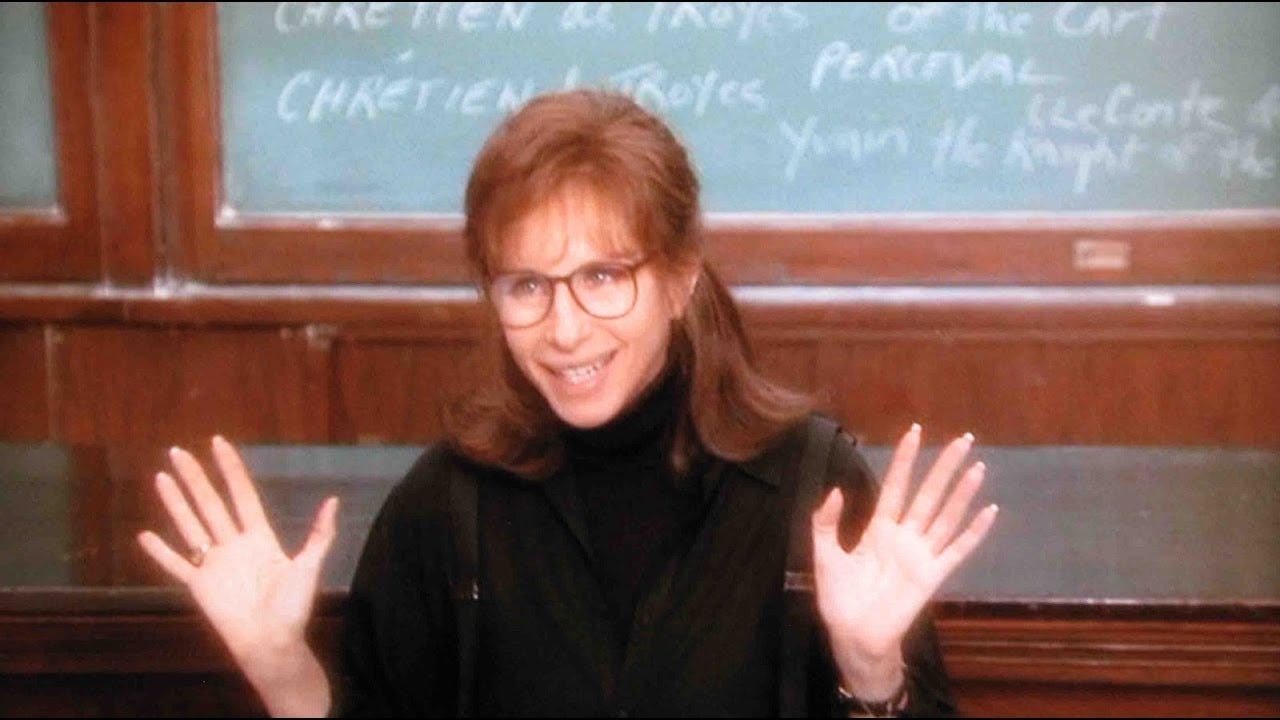
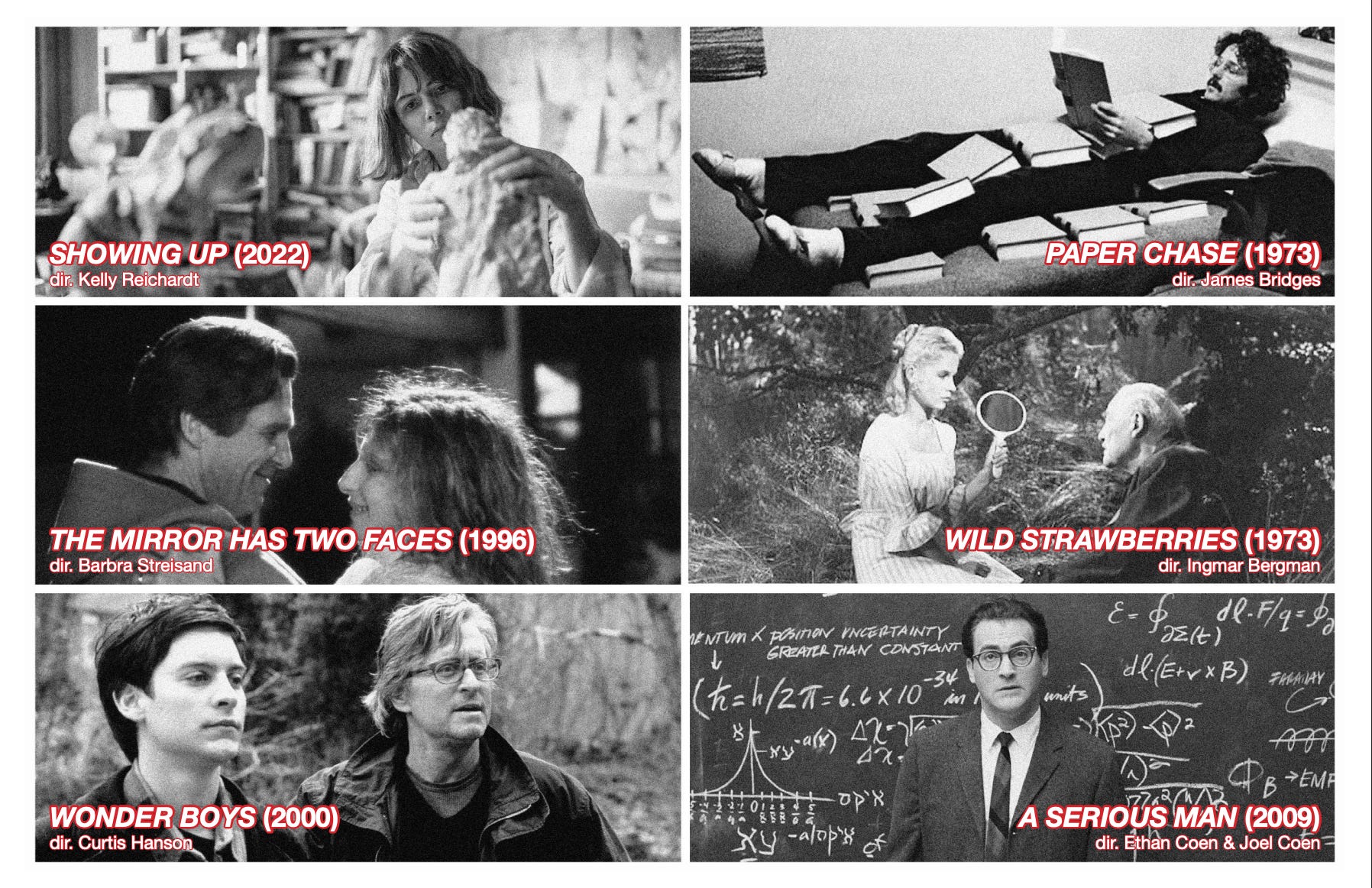
Now I’m coming off my eighth year of doing this, which is wild. It feels like it just started but at the same time, I kind of forget what it was like not to be a professor. I model myself a little after Barbra Streisand in The Mirror Has Two Faces, where she’s a literature professor at Columbia and does this stand-up style routine. I don’t do exactly that, but I try to make it entertaining and slip in jokes that may or may not get a laugh.
The main course I teach is The Language of Film. It’s a crash course in film grammar—mise en scène, cinematography, editing, sound—and we go across different genres. Documentary, the Italian Neorealists, the French New Wave, avant-garde stuff. The goal is to teach students visual and cinematic literacy, so that they become more active viewers and break down movies in ways they might not have thought about before.
There’s usually twelve films on the syllabus. Certain ones are mainstays. I open every term with Rear Window because it trains my students to be aware of their gaze and introduces semester-long concepts. Hitchcock always works; everybody seems to like him. It’s fun to sit there with them when they watch it. They gasp at the same part: when Grace Kelly breaks into Raymond Burr’s apartment and flashes the ring and doesn’t see him coming back in.
Sometimes I show things that I watched when I was a student myself. In undergrad, a professor had us watch a clip from True Stories, the Talking Heads/David Byrne movie. It was the “Love For Sale” sequence. My students today have barely heard of this movie. Maybe they’ve heard of Talking Heads because of Stop Making Sense.
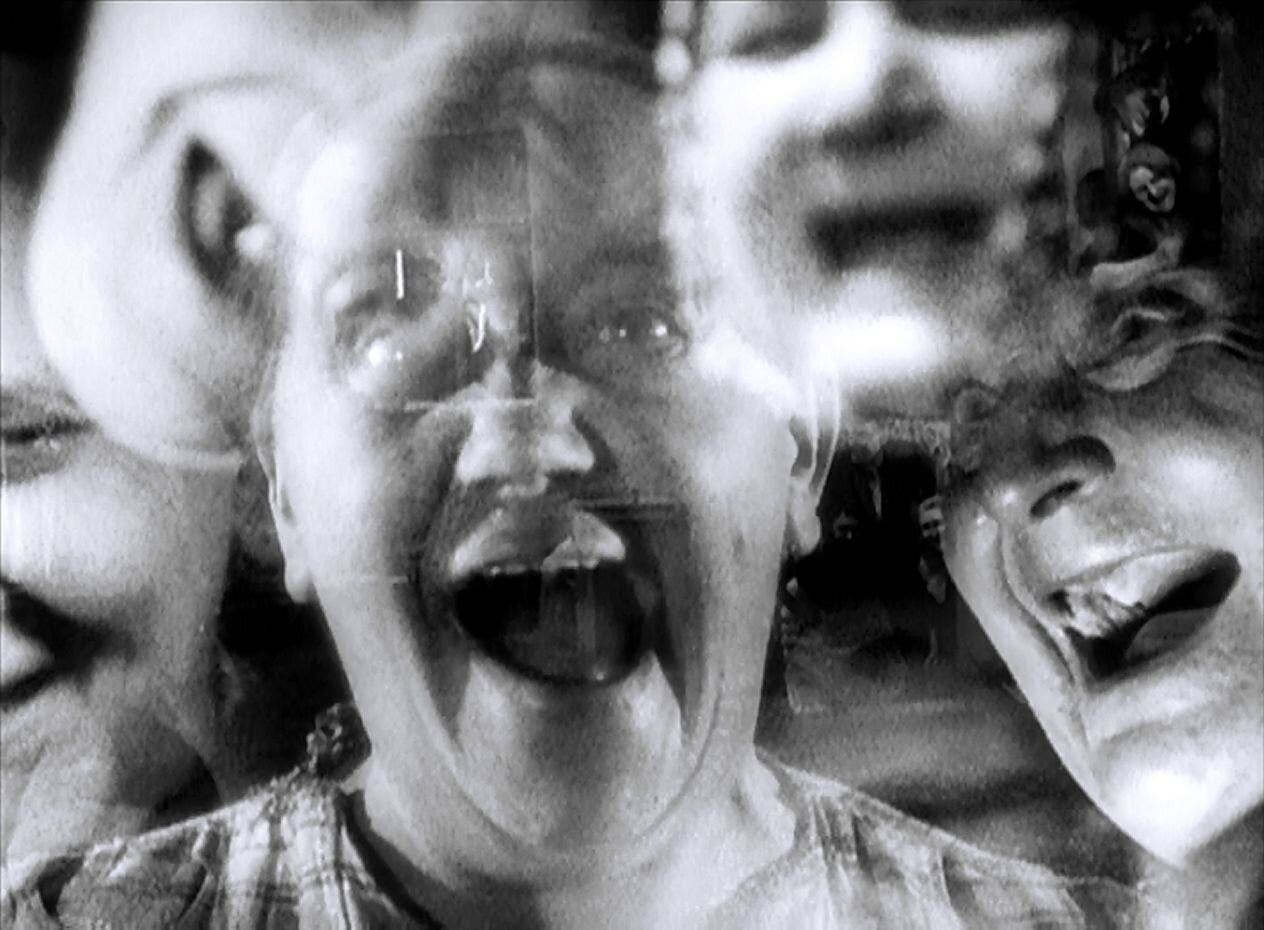
I mix it up sometimes if a film isn’t clicking. One recent movie that did not go well was The Last Laugh by F.W. Murnau, which has gone over well in the past, but this summer they kind of rebelled. Not angry, but they said it wasn’t very good, like two-and-a-half stars on Letterboxd. I had to make a polite, semi-forceful case for why it’s a very good film. They came around a bit, so I’m not discouraged from showing it again.
They also rebel against some of the avant-garde films I show, like Mothlight. There’s no sound, and they’re like, “How do I process this?” I think I finally got a class to enjoy that one. Andy Warhol’s Empire sometimes goes well; I show one or two minutes and say, “It’s just one minute.”
I once looked myself up on Rate My Professors and I’m not actually on there, which is great. I haven’t checked ever again. If I am now, no one has said anything, and don’t tell me. Ignorance is bliss.
The types of students vary by semester. Fall classes are usually freshman film majors; this is a required course for them. Summer and January term, which is an entire semester crammed into the three weeks before spring, are usually non-film majors or high school students testing out what it’s like to take college courses. They’re all film curious—they like movies and want to learn about them. But I mostly keep the same approach with them as the film students.
Spike Lee is probably the most well-known member of the NYU film department, but I’ve only seen him twice in the building. I think he’s avoiding me because I did a terrible interview with him once.
Compared to when I first started teaching, my students today barely make a sound during screenings, which I thought was kind of weird. My theory is that they were raised during the pandemic and they’re not used to the experience of hooting and hollering, of talking back to the screen.
What does surprise me is how they don’t really react against material that could be seen as problematic. There’s this idea that young people automatically reject anything that’s really old because the social mores are different now. But they’re actually curious about that. I’m not showing Birth of a Nation or anything like that, but a few times I’ve given trigger warnings and they seem to almost roll their eyes. Maybe this is a flawed test case, because it’s NYU.
Really, I’m just surprised that they like anything that I show them. Not that I think they won’t, but I showed Persona over the summer, and I was expecting them to be a little bored. But they were really into it, and the discussions we had were really interesting. Sometimes, students will say something that I’ve never even thought of, about movies that I’ve been showing for years.
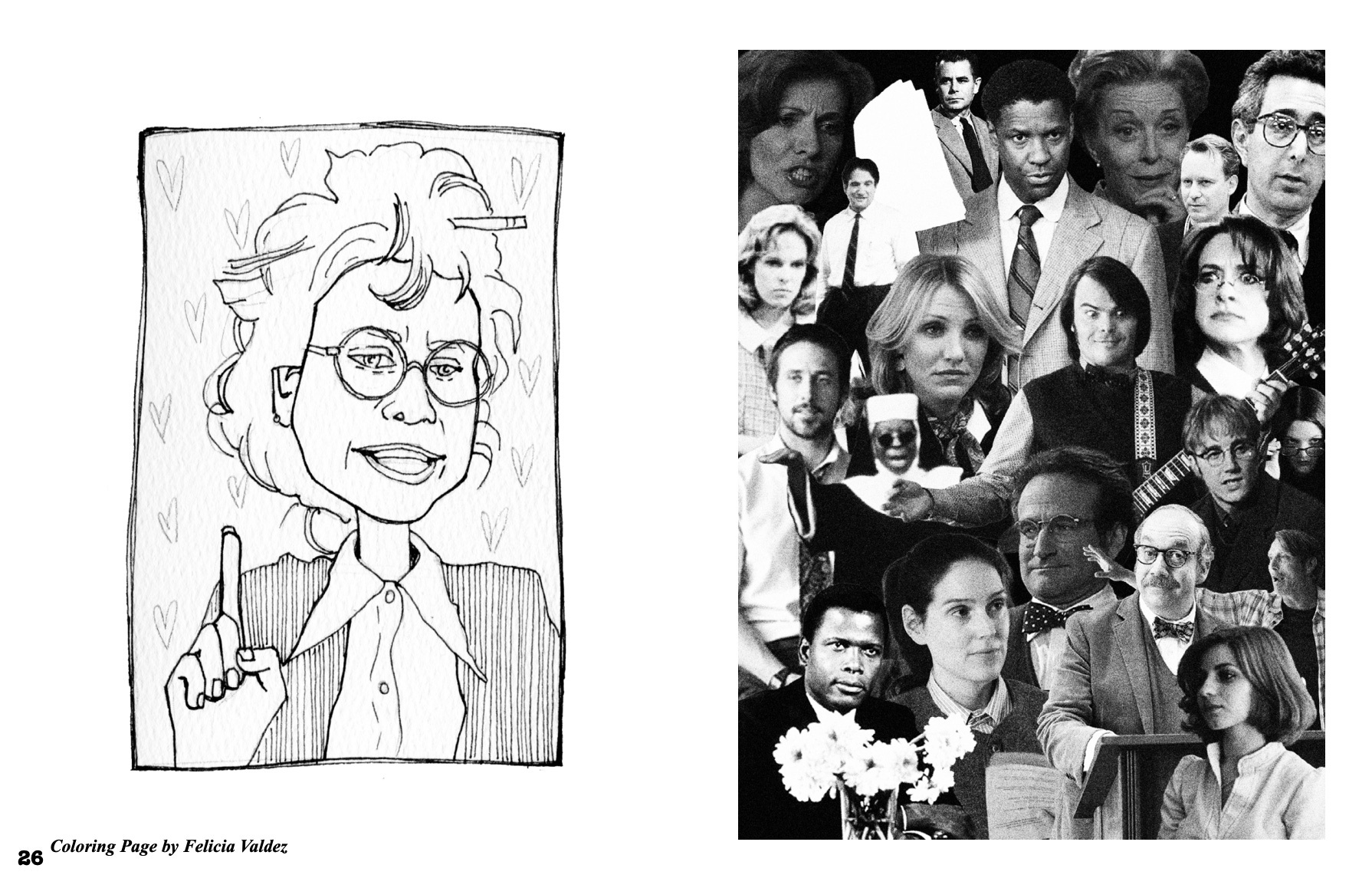
Professor Prigge’s Favorite Faculty Movies
Syllabus: The Language of Film, Summer 2025
Required textbook: David Bordwell, Kristin Thompson and Jeff Smith’s FILM ART: AN INTRODUCTION 13th Edition, New York: McGraw-Hill, 2024.
Section 1: The Basics of Film Form
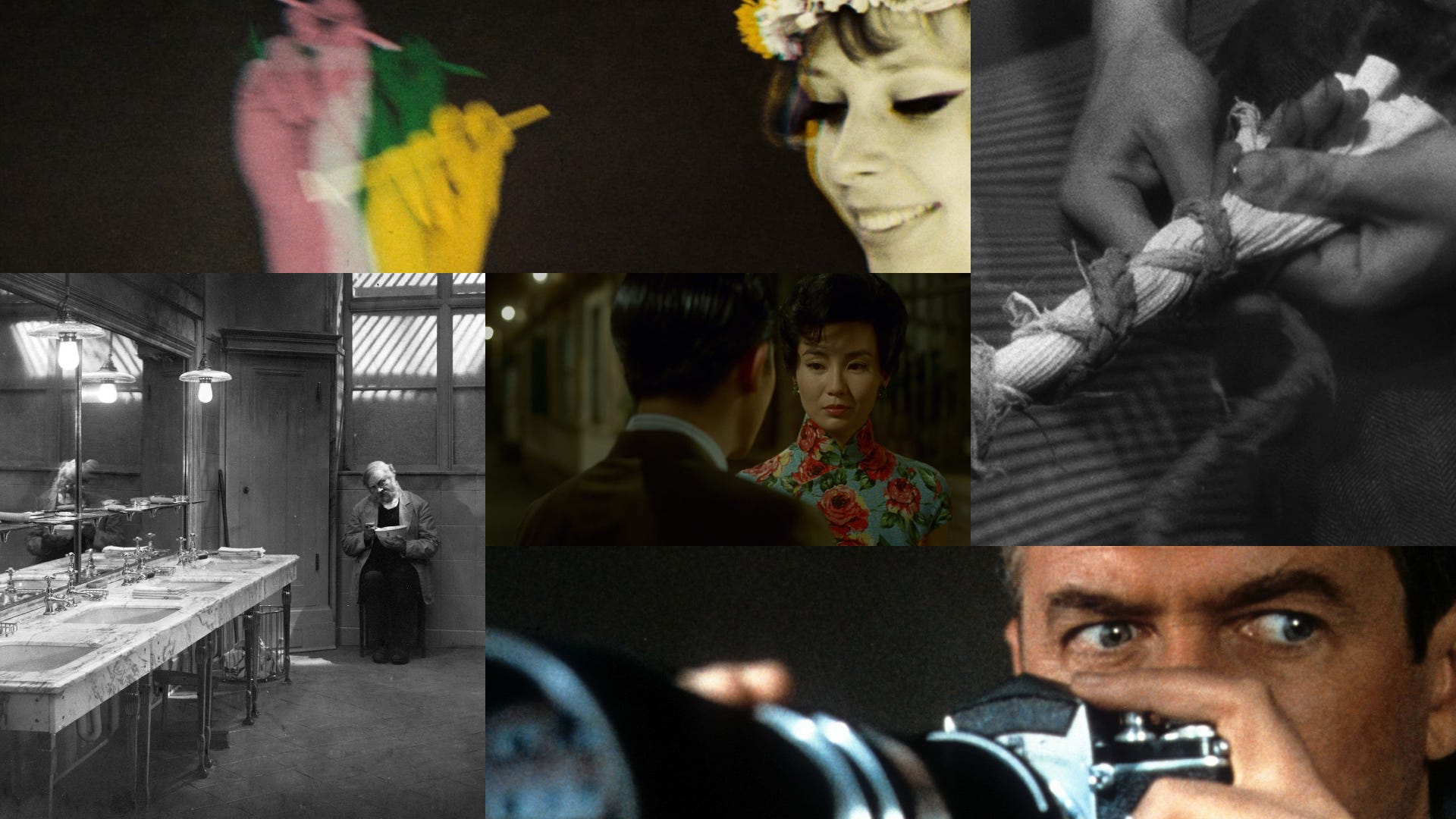
Introduction: Filmmaking as the Act of Looking – Rear Window (USA, 1954, dir. Alfred Hitchcock, 112 mins.)
Mise-en-scène – In the Mood for Love (Hong Kong, 1952, dir. Stanley Donen, 102 mins.)
Cinematography – The Last Laugh (Germany, 1924, dir. F.W. Murnau, 90 mins.)
Editing – Daisies (Czechoslovakia, 1966, dir. Vera Chytilová, 75 mins.)
Sound and Image – A Man Escaped (France, 1956, dir. Robert Bresson, 101 mins.)
Section 2: What to Do with the Basics of Film Form
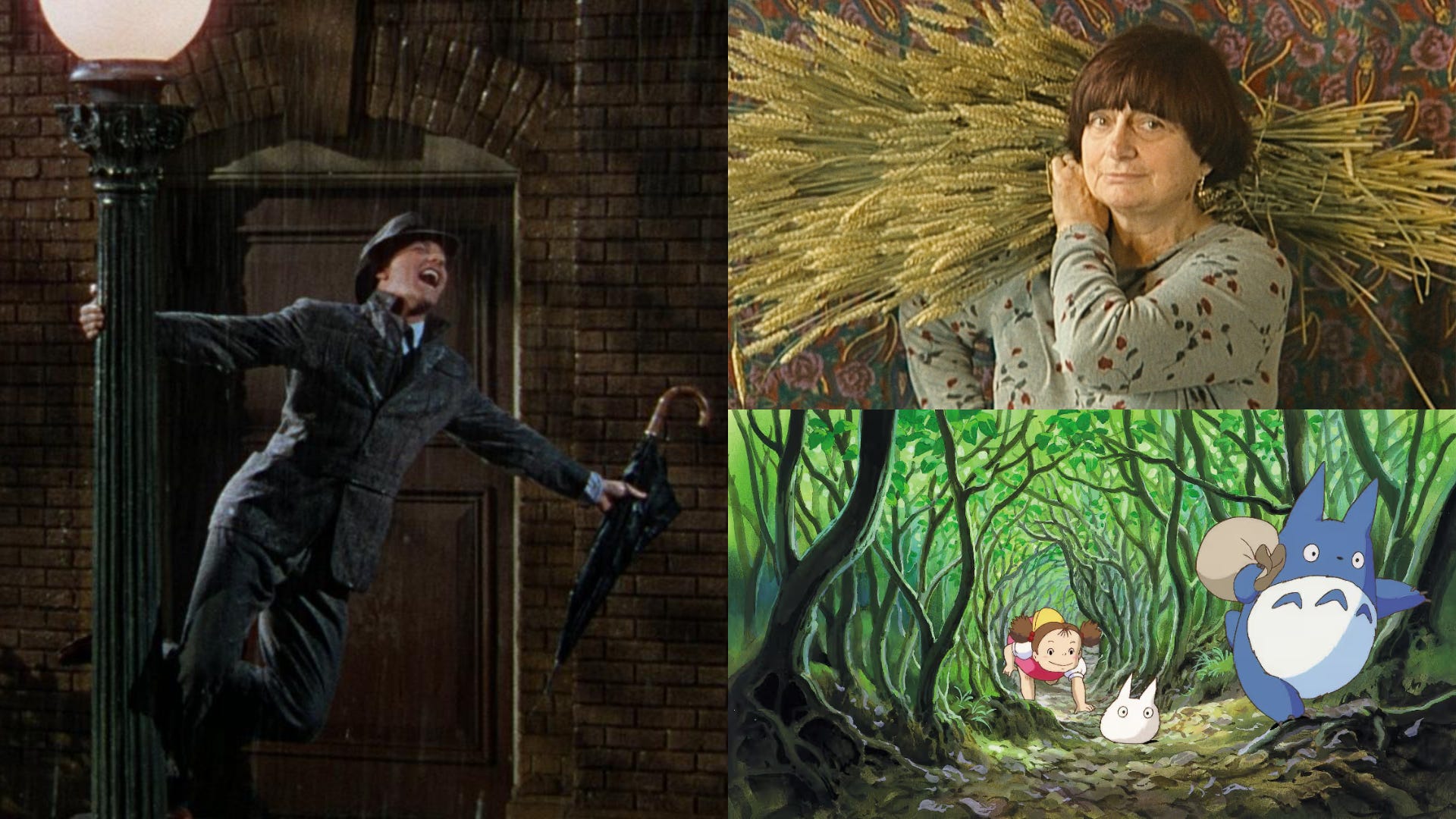
Structure and Narrative – Singin’ in the Rain (USA, 1952, dir. Stanley Donen, 102 mins.)
Documentary: Style, Genre and “The Real” – The Gleaners and I (France, 2000, dir. Agnès Varda, 82 mins.)
Animation: Metamorphosis and Meta-Physics – My Neighbor Totoro (Japan, 1988, dir. Miyazaki Hayao, 86 mins.)
Section 3: Revolutions in Film Form
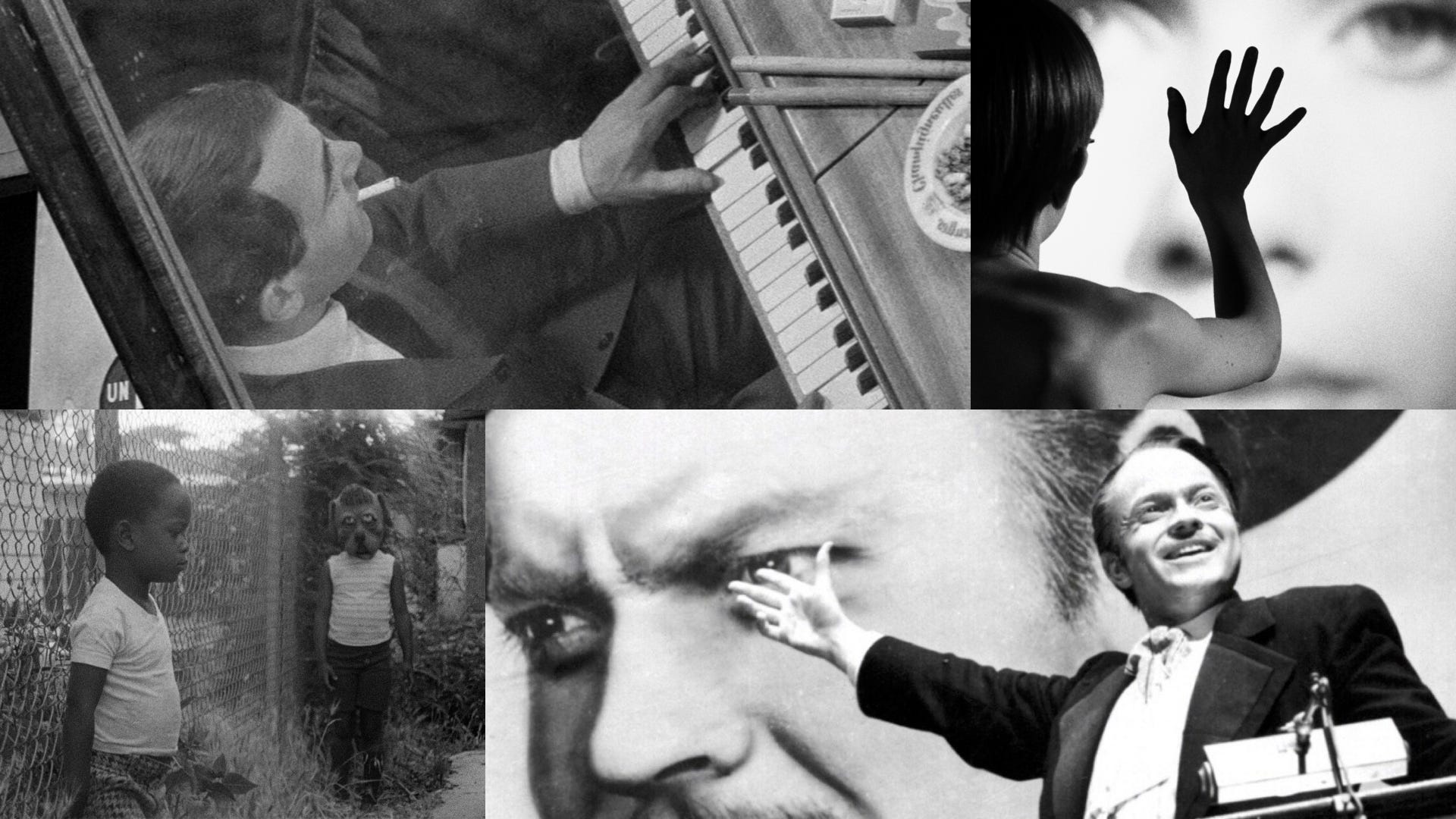
Neorealism – Killer of Sheep (USA, 1977, dir. Charles Burnett, 80 mins.)
Optional: Bicycle Thieves (Italy, 1948, dir. Vittorio De Sica, 89 mins.)
Art Cinema and the French New Wave – Shoot the Piano Player (France, 1960, dir. François Truffaut, 81 mins.)
Alternatives to Narrative Cinema / The Avant-Garde – Persona (Sweden, 1966, dir. Ingmar Bergman, 83 mins.)
Digital Cinema, the Future of Movies, and Pulling It All Together – Citizen Kane (USA, 1942, dir. Orson Welles, 119 mins.)