

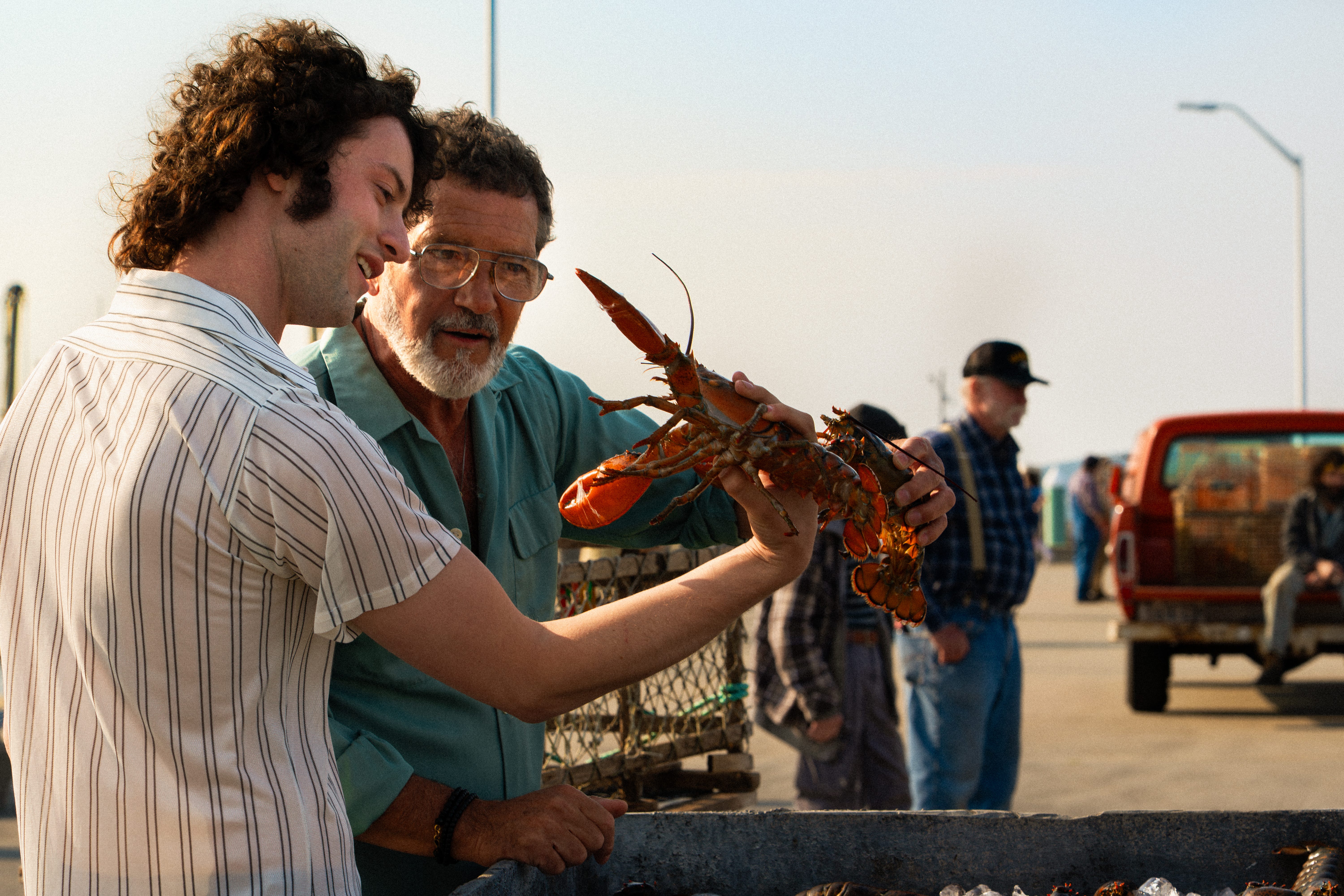
No doubt this is the biggest food movie of the year. Anthony Bourdain, the patron saint of line cooks and foodies, getting the big screen biopic treatment—from A24 no less, a company that still retains an imprimatur of sophistication despite their pivot towards the middlebrow. (Radical centrism?)
Despite perceptions, it’s not really a food movie, more of a coming of age tale that happens to have good gastronomy.
A lot of my non-cinephile friends knew that Tony was coming out. Most of them hadn’t realized that it was already released, at least here in New York. But now that the film has expanded nationwide, no excuses not to see it if you were interested!
What follows isn’t a typical review but a freestyle riff. (Basically this means there’s no perfunctory plot synopsis.) At the end is my customary food & drink rundown, plus a speculative menu for the Tony-themed dinner party you’ll want to throw after seeing it.
Tony
Now playing in wide release.
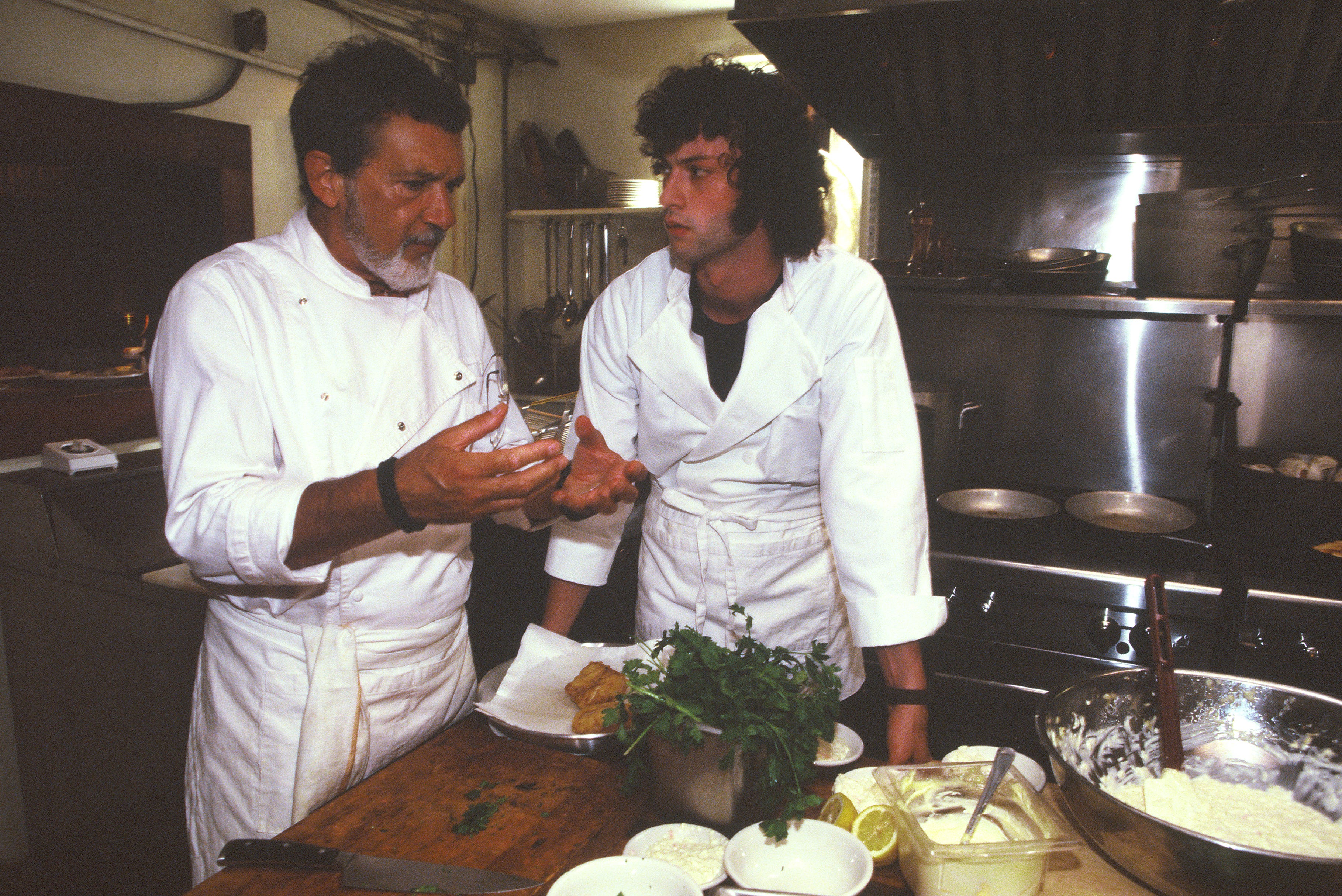
This isn’t a movie about Anthony Bourdain, not really. This is a movie about a nineteen-year-old named Tony who chases a girl to Provincetown, Massachusetts, and stumbles into a line cook job that would set him on the path to becoming “Anthony Bourdain,” the world-famous chef and TV personality. The film plays a lot better if you know that going in, but I imagine it would still be hard for a Bourdain acolyte to approach this with no reservations.
For my part, I don’t have any emotional connection to Bourdain or his work. I’ve never read his books or seen his shows—I know I should change that!—so I watched this with naïve eyes. Some parasocial devotees claim he would have hated the very idea of this movie. In an essay for Bon Appétit, Laurie Woolever, the man’s longtime assistant, recognizes this as one manifestation of grief: “we would far rather have Tony alive… than anyone else trying to make sense of him.” In speaking to others who were close to Bourdain as well as members of the filmmaking team, Woolever finds that for some, the pain of losing him remains medium raw.

Making this an origin story rather than a cradle-to-grave biography was the right move. Focusing on one formative summer allows the film space to breathe. Johnson shot much of the film in the actual Provincetown locations—including a dive bar with such uneven flooring that the tables were bolted down—and it shows1. While Tony will feel true to anyone who has read or watched Bourdain, many of the plot events didn’t actually happen, and aspects of Tony’s characterization are written into the script from what would appear to be parts unknown.
That doesn’t mean they are pure fiction. After reading a couple pieces on Johnson and his filmography—namely this profile of Johnson in Vulture and this conversation between Moviepudding’s Elissa Suh and fellow critic Clara Cuccaro—I realized that the Tony of Tony may look like a young Anthony Bourdain, but his psychology largely comes from its director. Stumbles come when the screenplay—originally by Todd Bartels & Lou Howe, with rewrites by Johnson & producer Matthew Miller—foreshadows what happens to Tony later in life, it lays things a little thick. When Tony does his first mid-shift cocaine bump, or watches a fellow line cook shoot heroin, it’s meaningful for those who know Bourdain would later succumb to drug addiction himself. But unfamiliar viewers may be confused by ominous hints of what, within his psyche, one may call the nasty bits.
Entertainment journalist Matt Ryan has a persuasive theory that “we were not supposed to know it’s about Anthony Bourdain.” Tony’s full name is not spoken until the very last scene, which director Matt Johnson seemingly “wanted to be a, ‘then we BLOW THEM AWAY with the reveal!!!!,’ moment, versus it being its full marketing plan.” There is a world in which A24 could have approached Tony like they did The Drama by treating the basic premise as a big twist. But from an advertising standpoint it would be a complete nonstarter to leave the identity of the guy in this kitchen confidential.
Further Reading
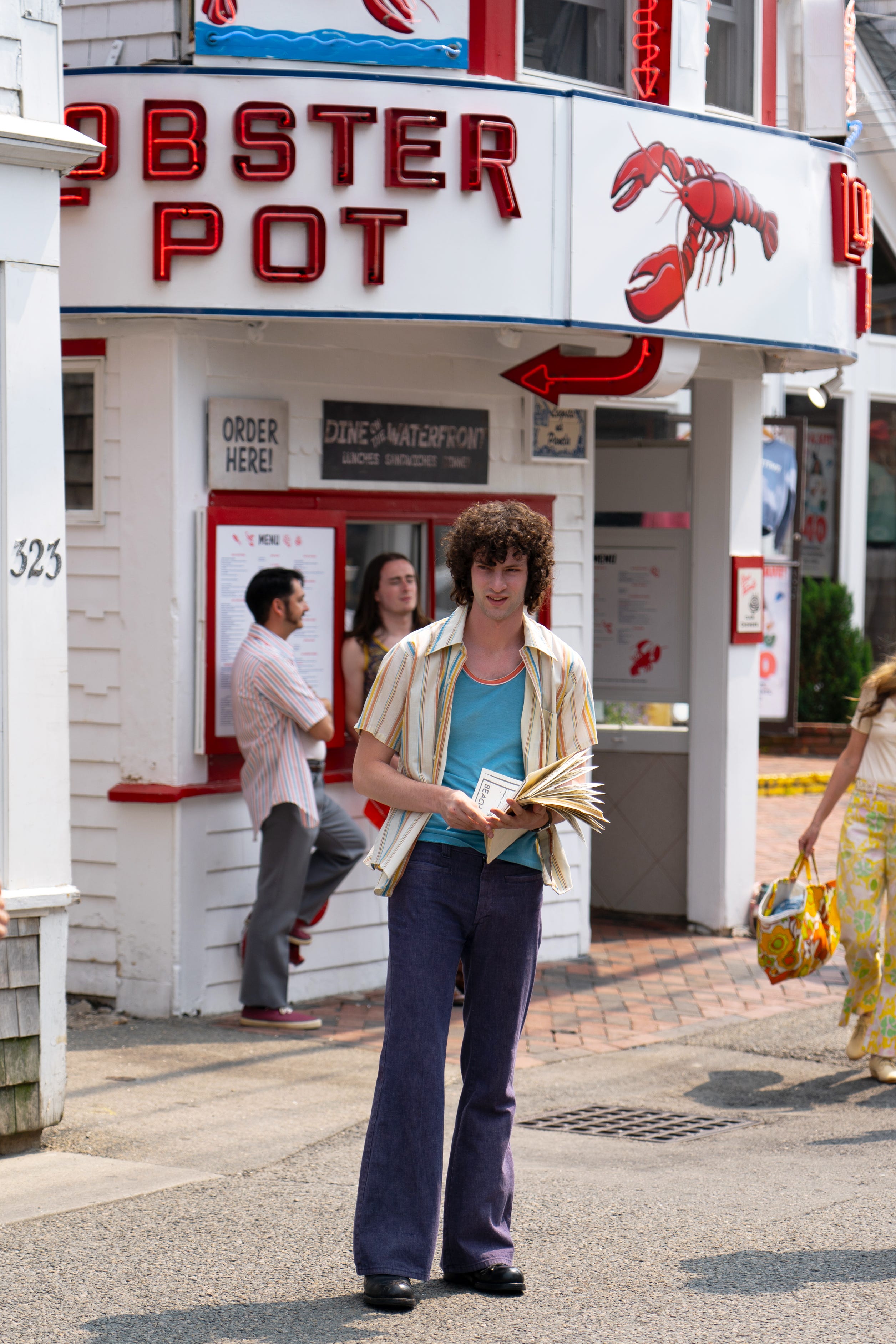
Lots of good writing on this film from food writers. In addition to what I linked above, check out these pieces:
In the New York Times, Pete Wells ventured to Provincetown to discover what has and hasn’t changed since 1975 and delves into the historical background behind what we see in the film.
“Except the Portuguese-speaking Azorean fishermen, who were there for the fish, almost everybody came for what the town didn’t have: rules, malls, two-car garages, stringent morality and a cost of living likely to interfere with personal desires.”
Written before the film was released, on what would have been Anthony Bourdain’s 70th birthday, Jake Mike Boy of Guts Magazine wrote a personal reflection about seeking connection with the man by following in his footsteps, often literally. This helped me understand the close connection many feel to Bourdain.
“In Rome, I sought out the cacio e pepe he ate in an episode of No Reservations at Ristorante Roma Spirita. It was fine…. Bourdain was still alive at the time. I still had a vague hope I would meet the man someday. That all this walking in his footsteps would lead me closer to him.”
Tasting Notes
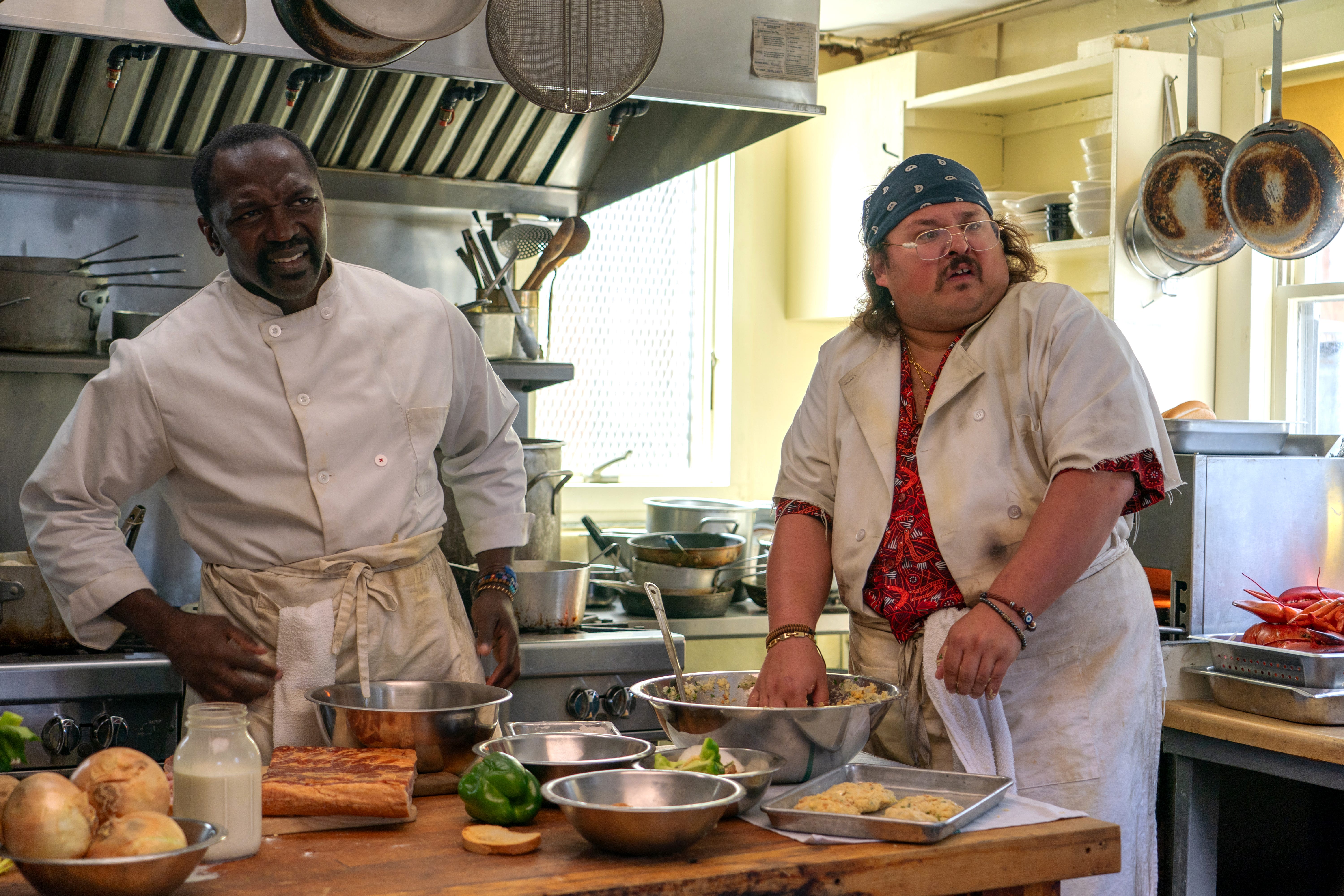
The cooking scenes peppered throughout Tony are less Chef’s Table and more The Bear or the stress-inducing video game Overcooked. The camera never lingers on the food being made, which mirrors the mindset of the cooks in this kitchen. No time to luxuriate when five more lobster rolls need to go out.
But even glimpses of what Tony and the crew are making are mouthwatering. This may not really be an Anthony Bourdain biopic, but it’ll leave you hankering for a clambake just the same. You can thank food stylist Christine Tobin for that, who happened to begin her food career on Cape Cod. She did an interview with GQ that goes into detail on some of the key dishes and you can see the deep level of research that went into this project. (A lot of the info below comes from that piece.)
Here’s a brief rundown of all the food seen in the film, without any plot spoilers:
Wellfleet oysters: intensely briny, this variety is one of the most common you’ll encounter in the Northeast, and they’re harvested right on Cape Cod. If this film is to be believed, you can pick up chicks by shucking an oyster in front of them.
This is also the only food item that looks downright bad on screen. The brine seems to have been poured off for understandable logistical reasons, but it results in the prop oysters looking super dry.
The Flagship Restaurant, where Tony gets his first kitchen job has a very short menu: oysters, lobster rolls, fries, crab cakes, and the catch of the day.
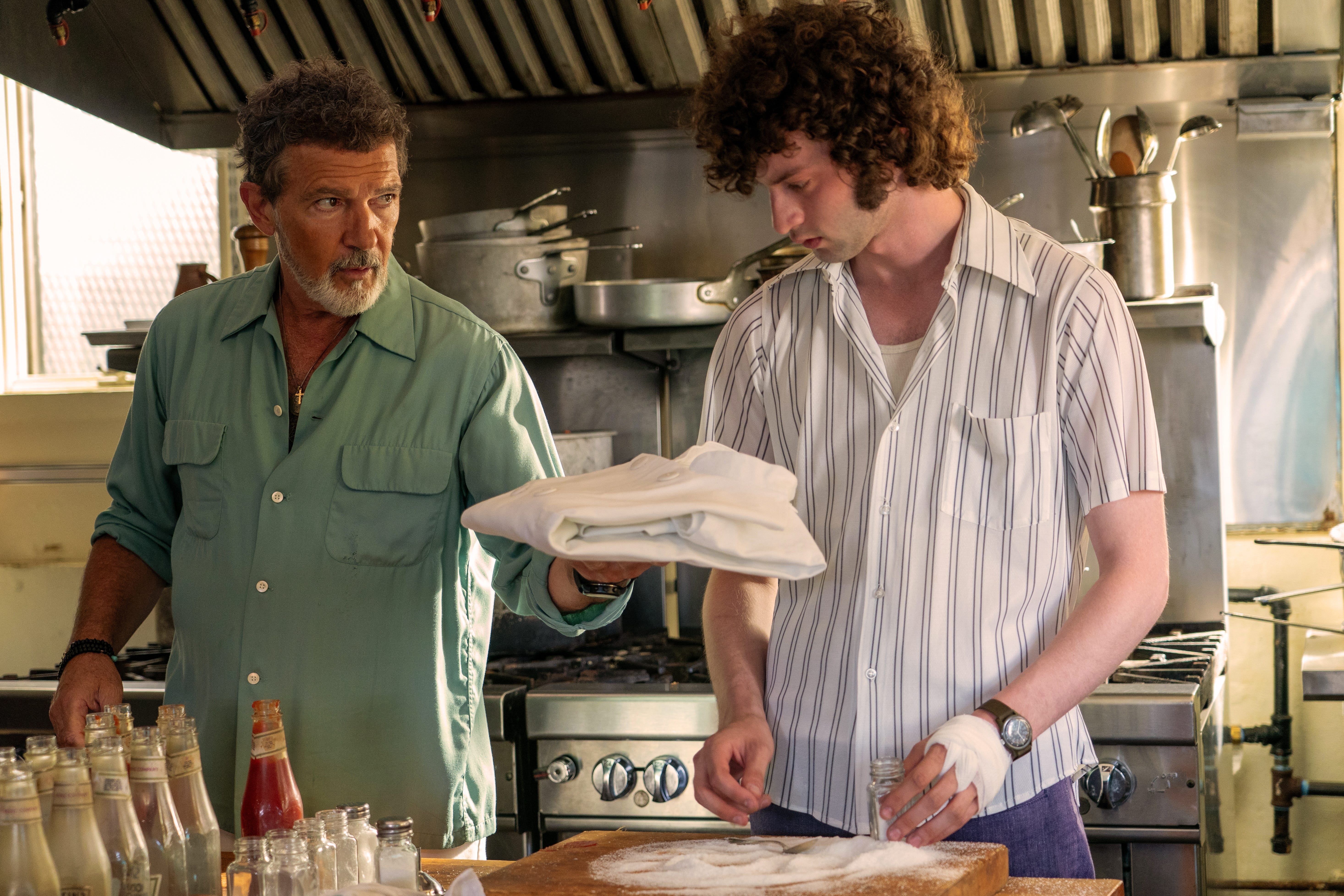
Although his restaurant is viewed as a fast food joint, Chef (Antonio Banderas) reveals himself to be a true gourmand. During a day off, he comes in to make ketchup from scratch, piping it into reused Heinz bottles so as not to shock his guests with anything unfamiliar. He even makes his own salt, boiling off seawater collected on the beach. You can buy Cape Cod sea salt if you’re ever in the area.
The striper run is a beautifully composed scene. Striped bass make a rare appearance in the bay and word spreads to all the fishermen, who rush out to the ocean. After a frenzied moonlight catch, they grill on the beach, served with lots of lemon and a drizzle of melted butter. It’s here where young Tony learns two important lessons: “black is not always burnt,” and chef eats last.
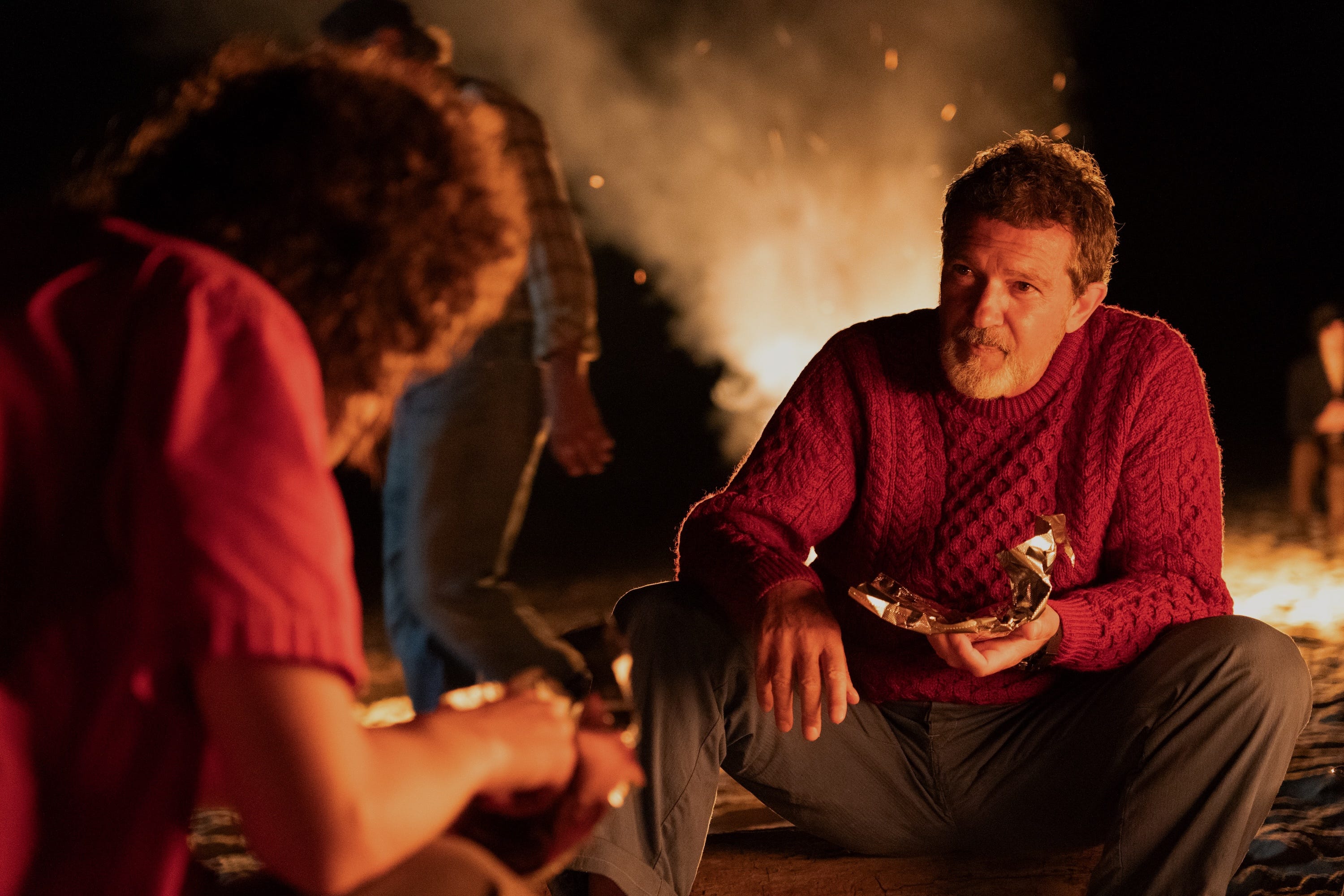
Family meal is a Portuguese squid stew that Tony finds revolting at first but grows to enjoy. The one shown in the film is taken directly from Bourdain’s Appetites: A Cookbook. (If you have a copy please send me the recipe!)
A similar dish was just published in the New York Times: Portuguese kale soup, adapted from a recipe from that same cookbook.
Special dishes that Tony makes: clam chowder and Escoffier’s lobster thermidor.
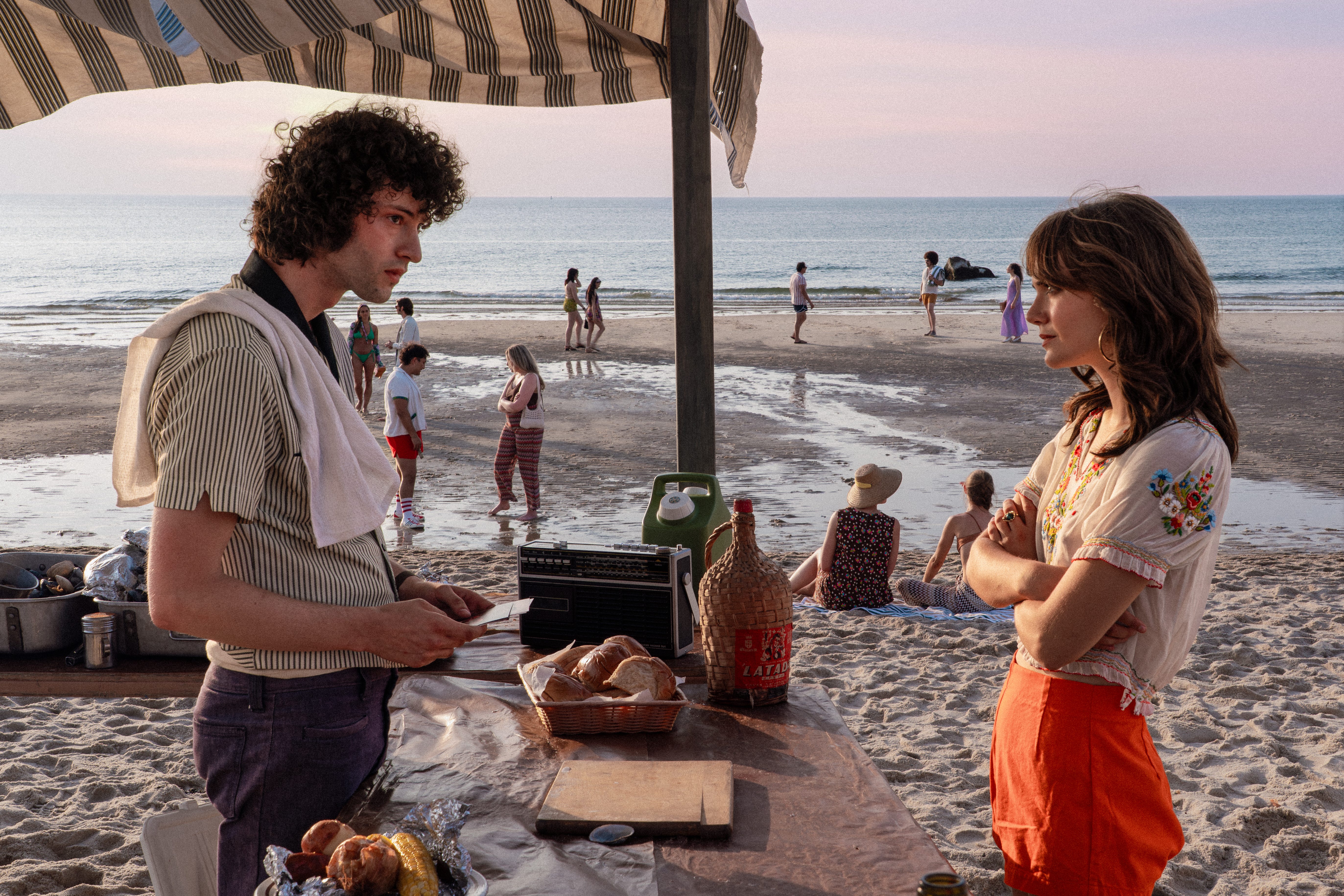
A climactic clambake. Corn, potatoes, onions, tomatoes, mussels, lobsters, clams, you name it. They do it the traditional way, on the beach: steamed on top of a trash can over a bonfire made in the sand. Grab a copy of the Provincetown Seafood Cookbook for an authentic recipe. I would love to experience a proper one some day, but if you want to try this at home, America’s Test Kitchen and Claire de Boer propose some methods.
And of course, there’s a lot of drinking going on. There are bottles of Budweiser but Narragansett would be a more local choice. The stereotype of restaurant workers loving fernet is represented by Chef, who one-ups everyone by preferring Malört.
A Prospective Tony Dinner Menu
I really want to throw a dinner party inspired by Tony but I just won’t have time in these waning weeks of summer to practice and prepare. Maybe next lobster season!
As a little bonus for paid subs, here’s a menu with some notes on how to pull it off. It’s something I wrote for myself for the future!
Courses follow a classic French structure. It is not tested but I think it’s a good template and scales up or down very easily.
And don’t forget to use Cape Cod sea salt for max verisimilitude!
To start:
Wellfleet oysters on the half shell. Serve with the usual suspects: lemon wedges, cocktail sauce, mignonette.
No shortcuts, gotta shuck just before serving. Three oysters per person.
Not that I’d actually know; I’ve never been to Cape Cod. But like young Tony I’m faking it ‘til I make it.
Loling at all your puns