

Song Sung New: “Hadestown: The Musical”
A radical adaptation of a beloved Greek myth comes to cinemas. (It’s not “The Odyssey.”)
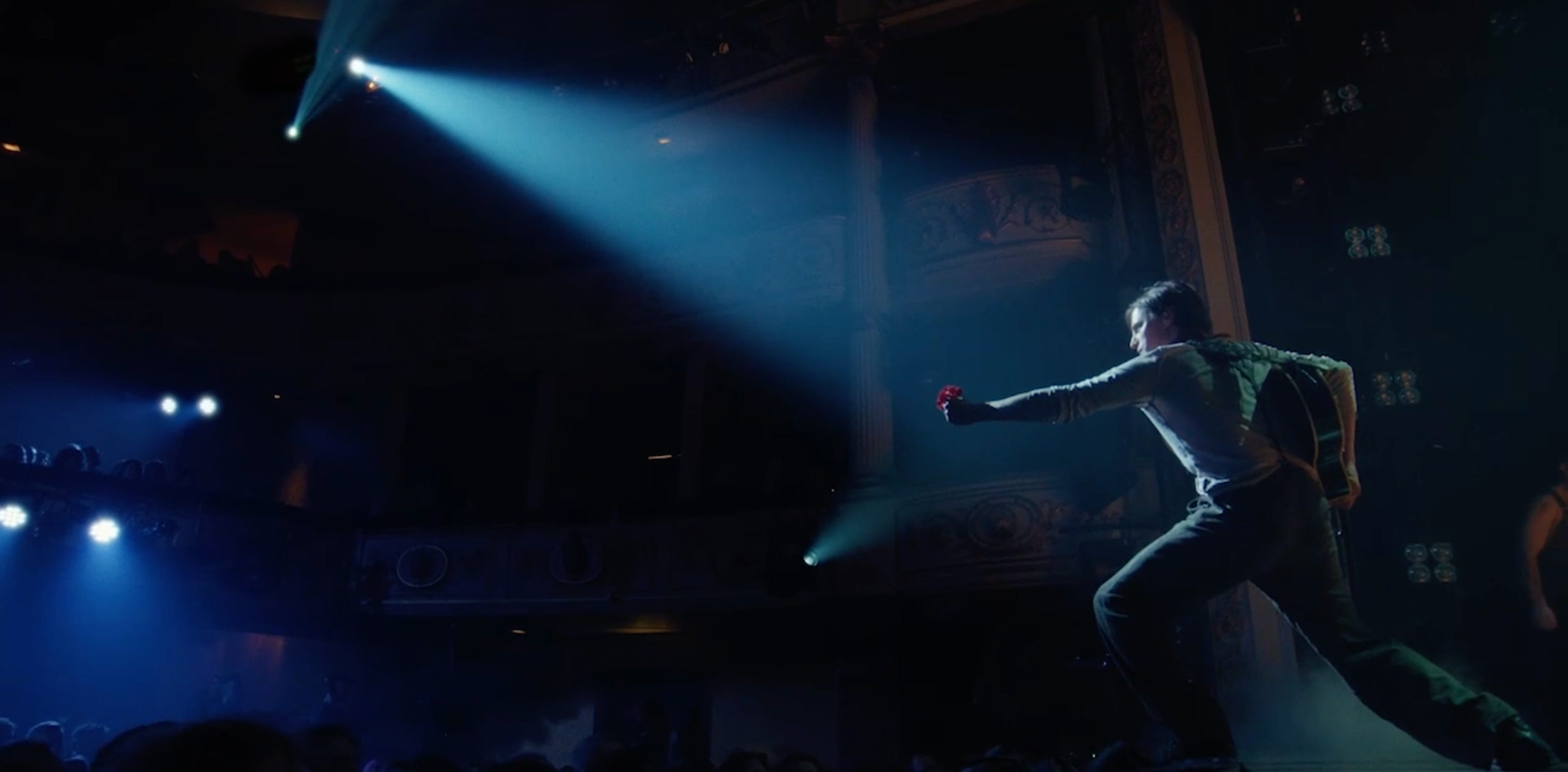
I headed off my World Cup withdrawal by watching The Odyssey the day after the final. (Spain!!!! Wahoo!) I agree with Tom Cruise: “that was so fucking sick.” It moved me to tears. I didn’t try to see it in IMAX 70mm at the AMC Lincoln Square—tickets for that presentation are more coveted than Penelope—and watched the normal 70mm print and had a perfectly good time.
And if you can’t get enough of Greek myths retold for the screen, do I have a recommendation for you!
Hadestown: The Musical
Opens July 24 in wide release.
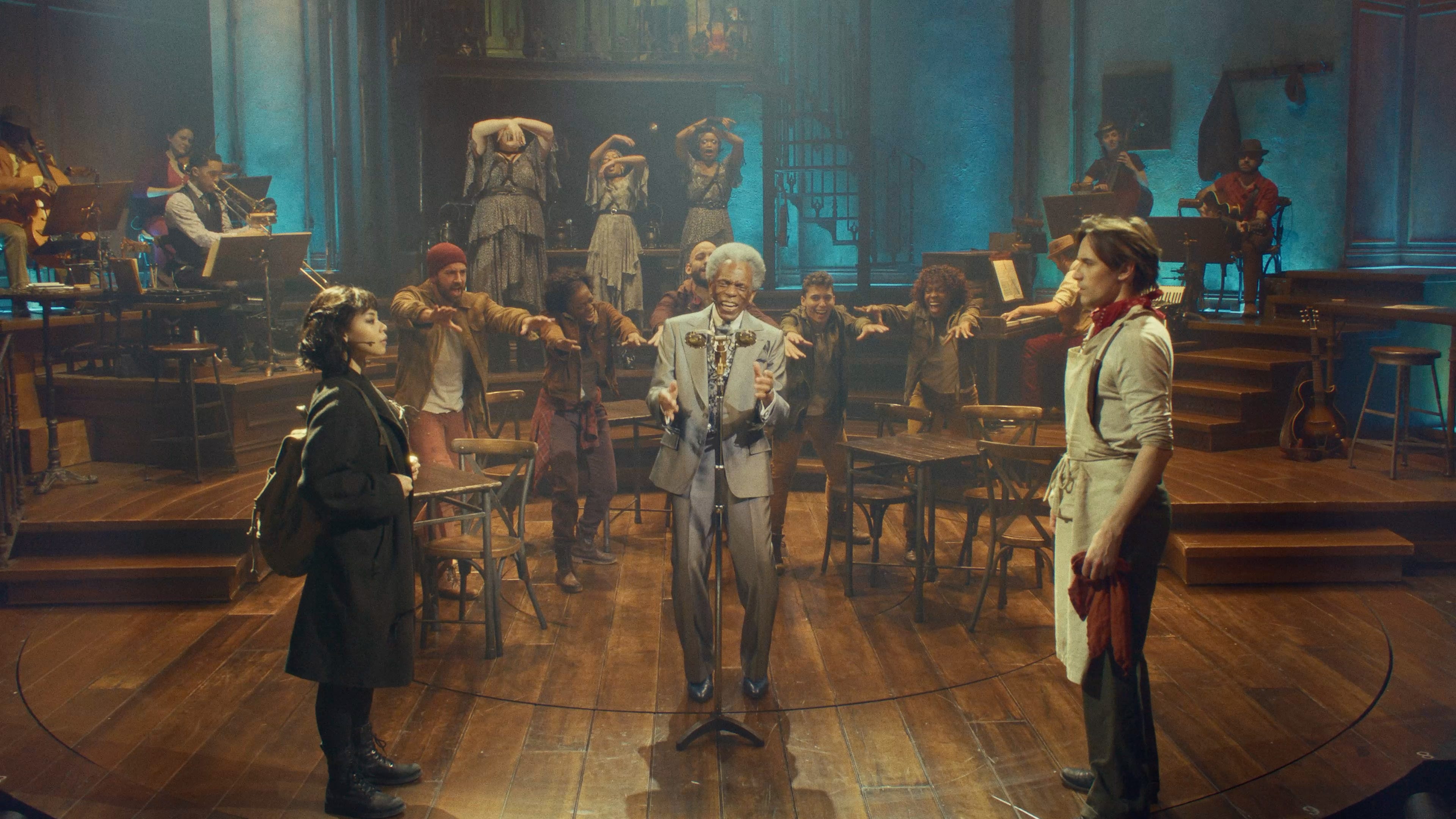
Last week it was Homer. This week it’s Hades. Hadestown, the Tony-winning folk opera retelling of Orpheus and Eurydice, comes to cinemas in a filmed capture of the beloved Broadway musical. “It’s an old song,” the chorus admits at the top of the show. As those familiar with this Greek myth know, it’s also “a sad song.” But, they continue, “we’re gonna sing it anyway.”
If you consider yourself allergic to musical theater—what a colorless life that must be—rest assured this one is relatively palatable. A blend of modern folk and New Orleans jazz, Hadestown originated as a concept album by Anaïs Mitchell, which she adapted, with stage director Rachel Chavkin, into a beloved Broadway show. It’s been running for seven years and counting; there have been multiple tours and international stagings. It’s the rare musical that has emotional and intellectual heft while being entertaining enough for the tourists. I’ve seen it three times; superfans like my brother have lost count.
Nothing beats the immediacy of live theater, but a professional recording is the closest substitute. (It’s also a smoother viewing experience than the camcorder bootlegs circulated online.) Proshots, as they’re called, have historically been a rarity due to prohibitive production costs, union regulations, and fears of cannibalizing ticket sales. They’ve become more common in recent years, but there’s still no guarantee your favorite show will receive one. That’s why, for theater geeks, this release of Hadestown is as big an event as a new Christopher Nolan blockbuster1.
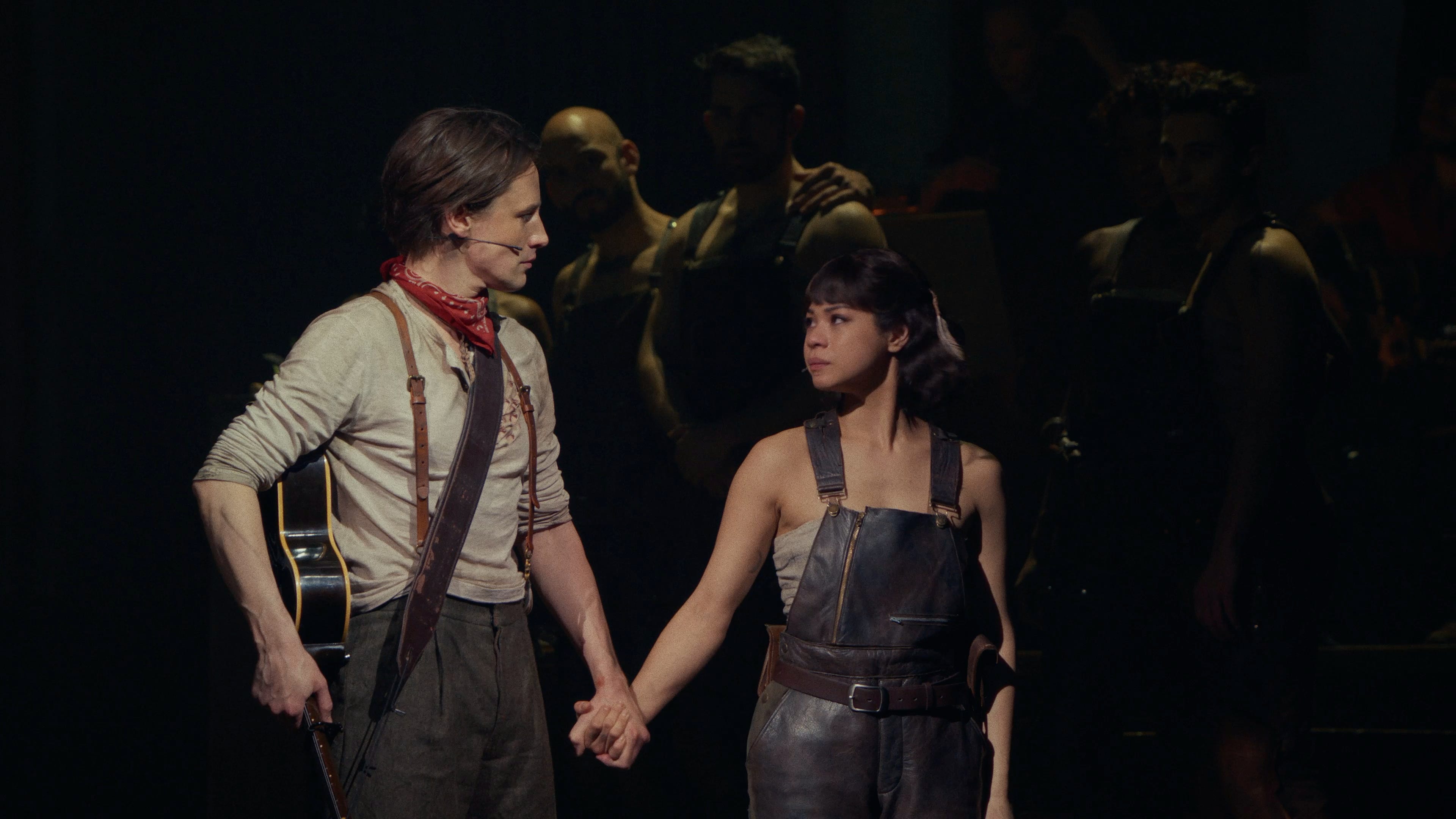
That’s due in large part to the cast: the five original Broadway principals, reunited on the West End. Only some of them play gods, but all are now immortal. This fact is not lost on the audiences present for taping—when André De Shields first steps onstage, the applause halts the show for what feels like an entire minute. The regal octogenarian plays Hermes, who functions as both narrator to the audience and guide to Orpheus (Reeve Carney), a wide-eyed poet immediately enamored with Eurydice (Eva Noblezada), “a hungry young girl… no stranger to the world.” She’s lured to the underworld by Hades (Patrick Page), whose habit of keeping his wife Persephone (Amber Gray) by his side has plunged the world above into a long winter. Orpheus journeys to Hell to rescue Eurydice, only to lose her forever when doubt compels him to turn around to check she’s still behind him.
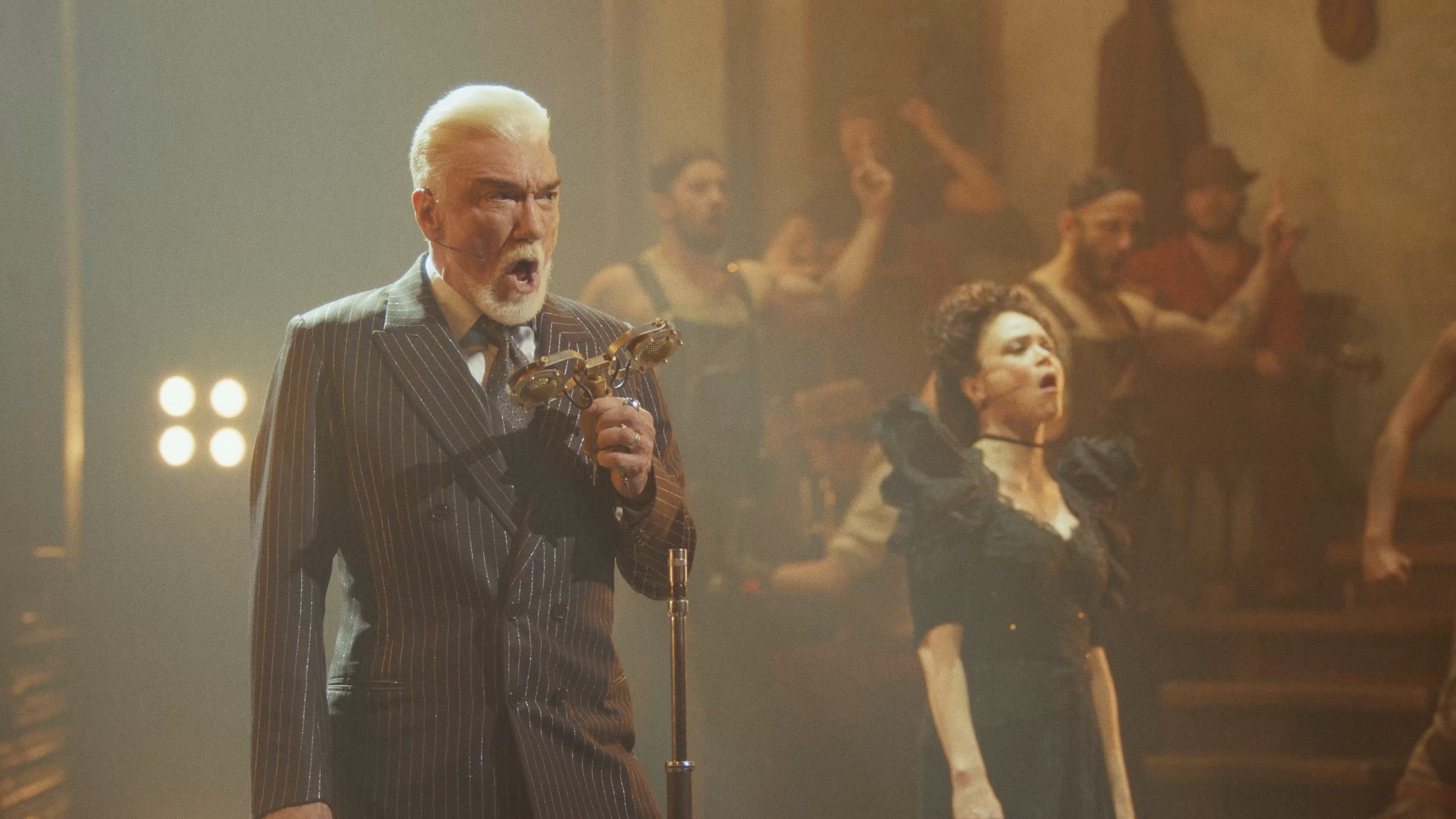
Having seen this originating quintet twice on stage, I found it a treat to see them again, even if one was literally hobbled. Page, who usually slinks on stage with leonine menace, ruptured his Achilles tendon during rehearsals. The show went on, as it must, and the injury unintentionally deepened Page’s performance. Now wearing a boot and relying on a cane, Hades is a king whose body decays alongside his empire.
Boot or no boot, the real emotional core of Hadestown lies not with Orpheus and Eurydice but with Hades and Persephone. Orpheus sings a song that reminds them of the love they once shared; their pas de deux during “Epic III” always moves me to tears. The steps are initially halting, but Hades becomes more confident, twirling Persephone around the stage. He’s learning how to let someone go, trusting she’ll come back into his arms.
Proshots are essentially concert documentaries, and it’s no small thing to preserve the dynamism of the stage show. Consider the recent proshot of Merrily We Roll Along. Maria Friedman, who directed both the stage production and its recording, intentionally eschewed wide shots and audience reactions in an effort to provide a more filmic experience. But the wall-to-wall close-ups only disrupted the viewer’s spatial comprehension. (Besides, Richard Linklater is working on a proper cinematic rendition of the decades-spanning musical; see you in 2040!) Although I’m glad the Sondheim revival’s legendary trio was preserved for all to witness—Jonathan Groff! Daniel Radcliffe! Lindsay Mendez!—the recording is a frustrating and disorienting watch.
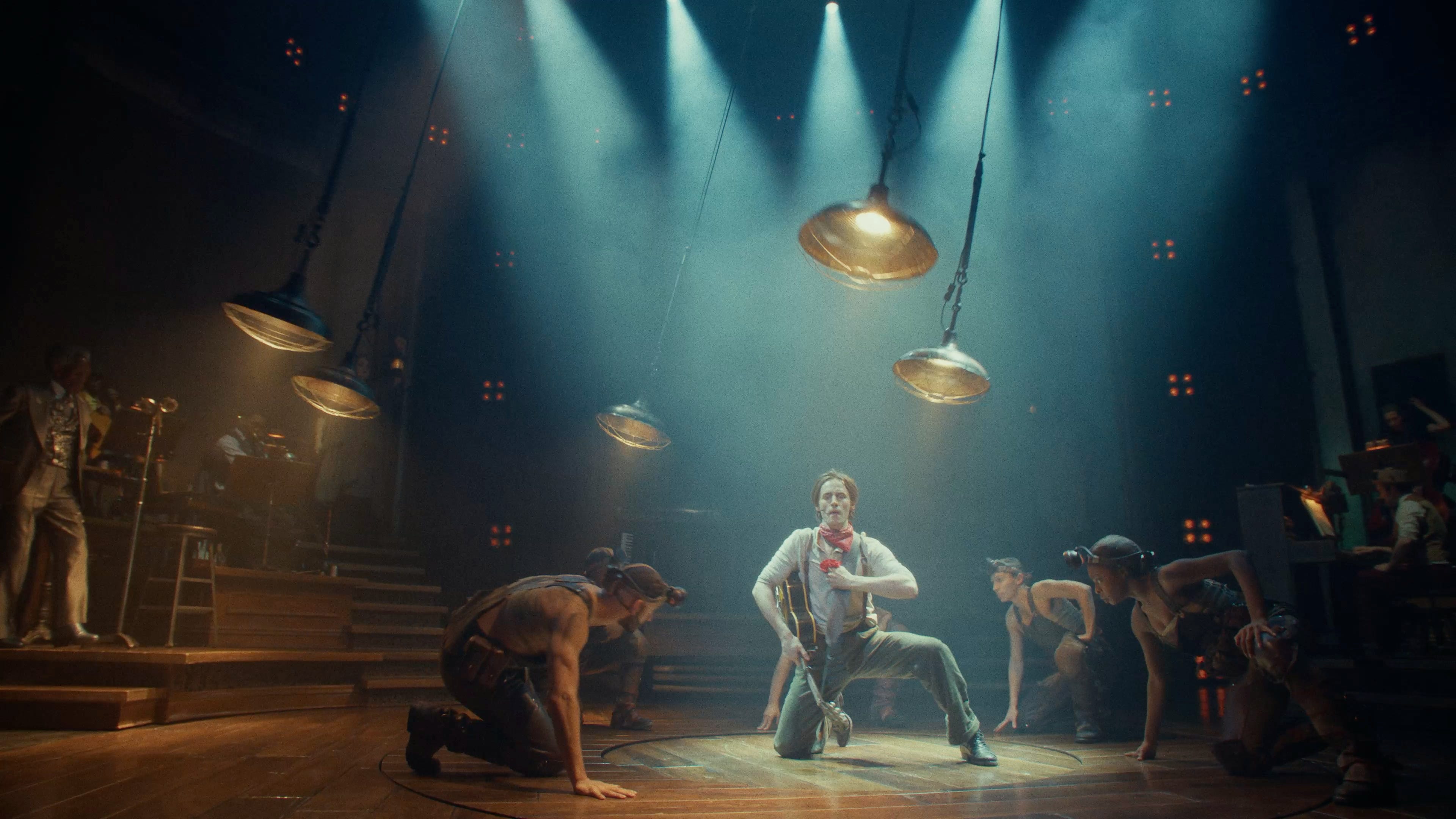
Fortunately, this capture of Hadestown is one of the best of its kind. The camera fluidly paces the stage, transforming the 915-seat Lyric Theatre into an intimate saloon. There are cinematic flourishes, with rack focuses and shots you could only capture without an audience present2, but you never forget that this is all happening on a stage. Applause breaks are preserved, we occasionally see the crowd’s reaction, and the end of most numbers is punctuated with a view of the proscenium. Thanks to nifty camera placement and enhanced lighting design, “Wait For Me” has the same showstopping effect that it does on stage. Gratitude is owed to Brett Sullivan, a one-time helmer of Michael Bublé music videos who has become a go-to director of theater proshots, including recent captures of Waitress and Frozen.
This cast reunion—and its audiovisual record—affords Hadesheads the opportunity to evaluate how the actors’ performances have changed over time. I had always considered Carney to be a weak link, but this time I found myself utterly taken by his Orpheus. Whether that’s because the closeness of the camera reveals a restraint that reads as wooden from the balcony, or his years inhabiting the role are paying dividends, he’s the most improved. What does suffer is the dynamic between him and Noblezada, which now feels overly familiar. (The couple are married in real life and have continued to act opposite together. They’re just wrapping up a run on The Great Gatsby.)
By its very nature, a recording of live performance is limiting, no matter how well crafted. While proshots make a show accessible to those who couldn’t be there, they threaten to calcify what is ultimately just one interpretation of the material. To be clear, this is a worthy tradeoff, and this particular proshot should entice those who haven’t to see it live, whether on Broadway or part of a touring production. It’s the same show, but every performance is unique.
The tragedy of Orpheus and Eurydice has been told many times, in many forms3. There’s only one way it ever ends, and Hadestown is no different. Every time Orpheus turns around, it shatters the heart, to say nothing of the actors who live inside this material eight times a week. “But,” Hermes responds with grief-stricken defiance, “we sing it anyway.” The final number of Hadestown reveals this musical to ultimately be about humankind’s undying capacity for hope—that the world can be made better, that Eurydice can make it out of the underworld—despite all evidence to the contrary. “To know how it ends / and still begin to sing it again / as if it might turn out this time.” This proshot does the same: it sings the story again, for those who couldn’t see the original cast at the Walter Kerr in New York or the Lyric in London, in the hope it’ll land just as hard. And it does.
Tasting Notes
“Anybody want a drink?” asks Persephone just before intermission. (A cheeky reminder to the theatergoers: get thee to the bar!) I won’t say no.
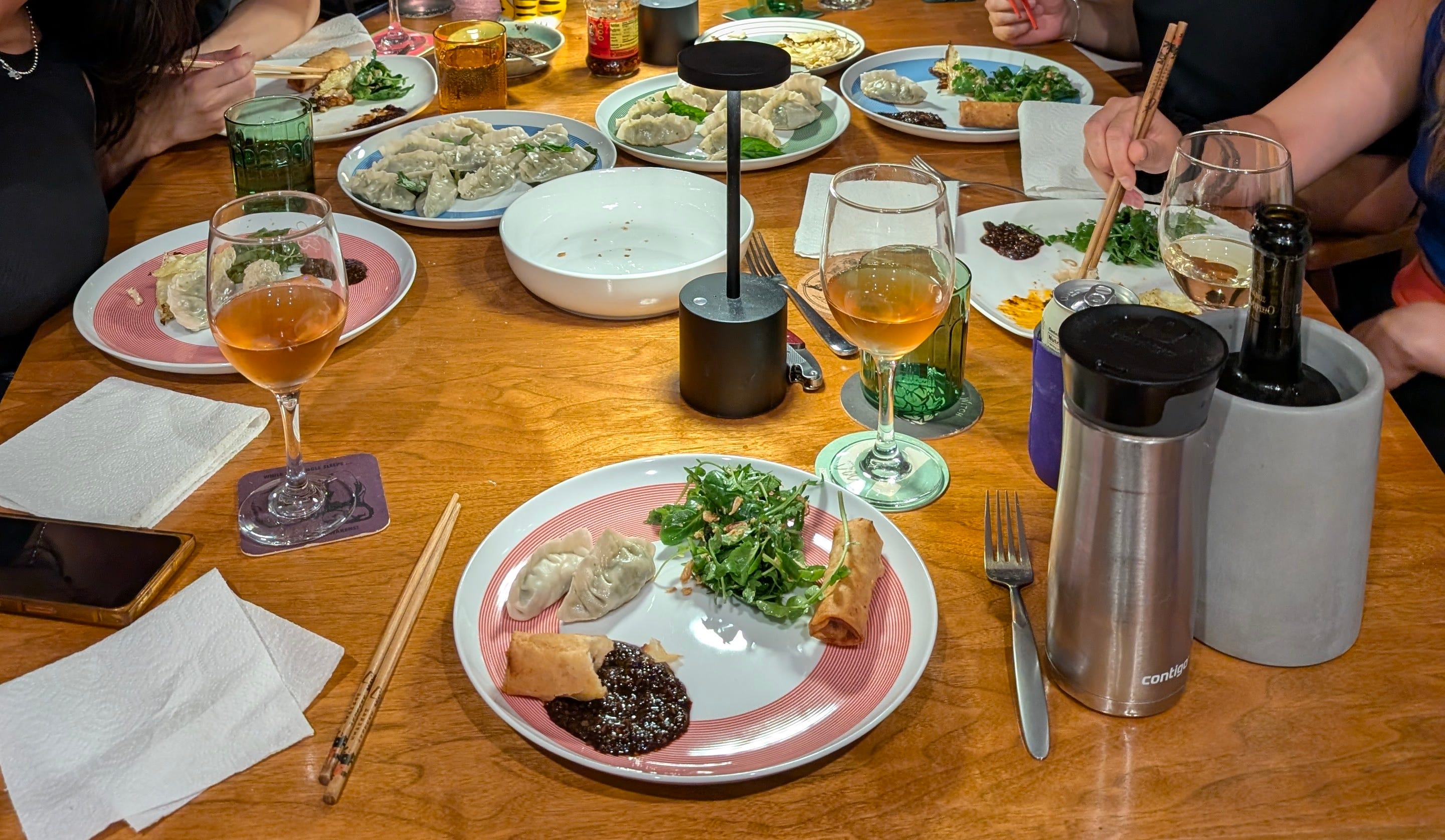
The Greeks have literally been producing wine since antiquity. A natural orange wine from the country would be the perfect pairing; though it’s become trendy fairly recently, skin-contact was how it was done way back when. One of my favorites is a semi-sparkling Paleokerisio from Domaine Glinavos. It will particularly appeal to beer lovers contending with gluten intolerance.
For a stiff cocktail, the New Orleans-inspired arrangements immediately bring to mind that city’s most famous drink. To make a Greek Sazerac, use Metaxa as the brandy, and go further by swapping the absinthe wash with ouzo; this will make it less harsh while retaining the anise notes.
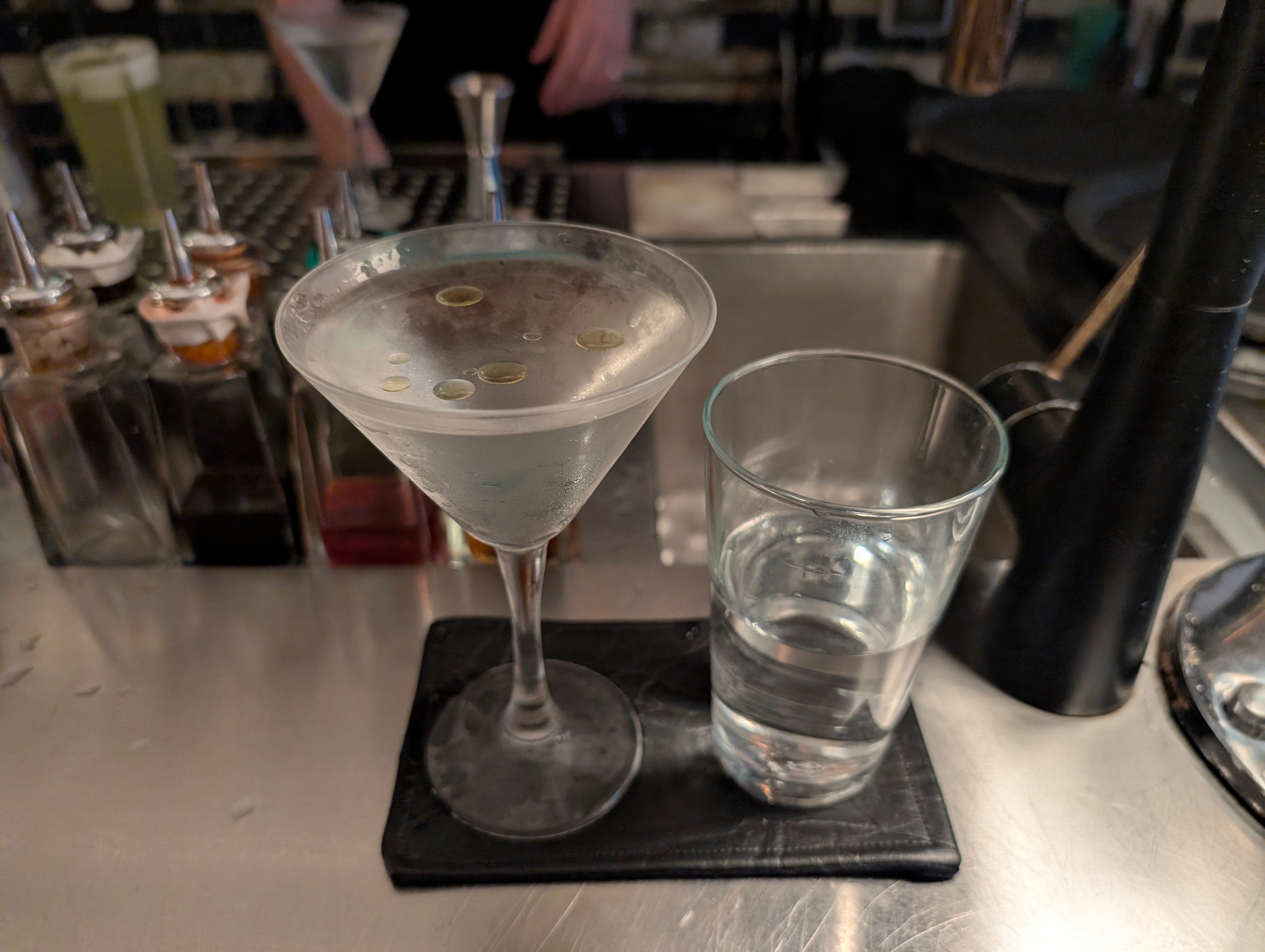
I’ll also shout out the Tzatziki Martini at Two Schmucks. It’s not reproducible in most home bars so you’ll have to travel to Barcelona to try it.
Also Coming to Theaters


New York moviegoers, take note: next Wednesday kicks off Silent Movie Week at the MoMA. All but one of the seven screenings will feature live accompaniment. Most are premieres of new restorations. I recommend going whichever night you’re free—they should all be worth your time—but the below three are particularly notable. (Note that I haven’t seen any of these for myself.)
Way Down East (1920), Wednesday July 29 – A melodrama directed by D.W. Griffith, starring Lillian Gish and Richard Barthelmess, with the original score performed by a ten-piece orchestra conducted by Gillian Anderson (not that one).
Shoulder Arms (1918), Sunday August 2 – A trio of Chaplins. Can’t go wrong.
Sunrise: A Song of Two Humans (1927), Tuesday August 4 – One of the greatest silents of all time, but this brand new restoration, which promises to be definitive, means even the most ardent cinephiles will be seeing this anew.
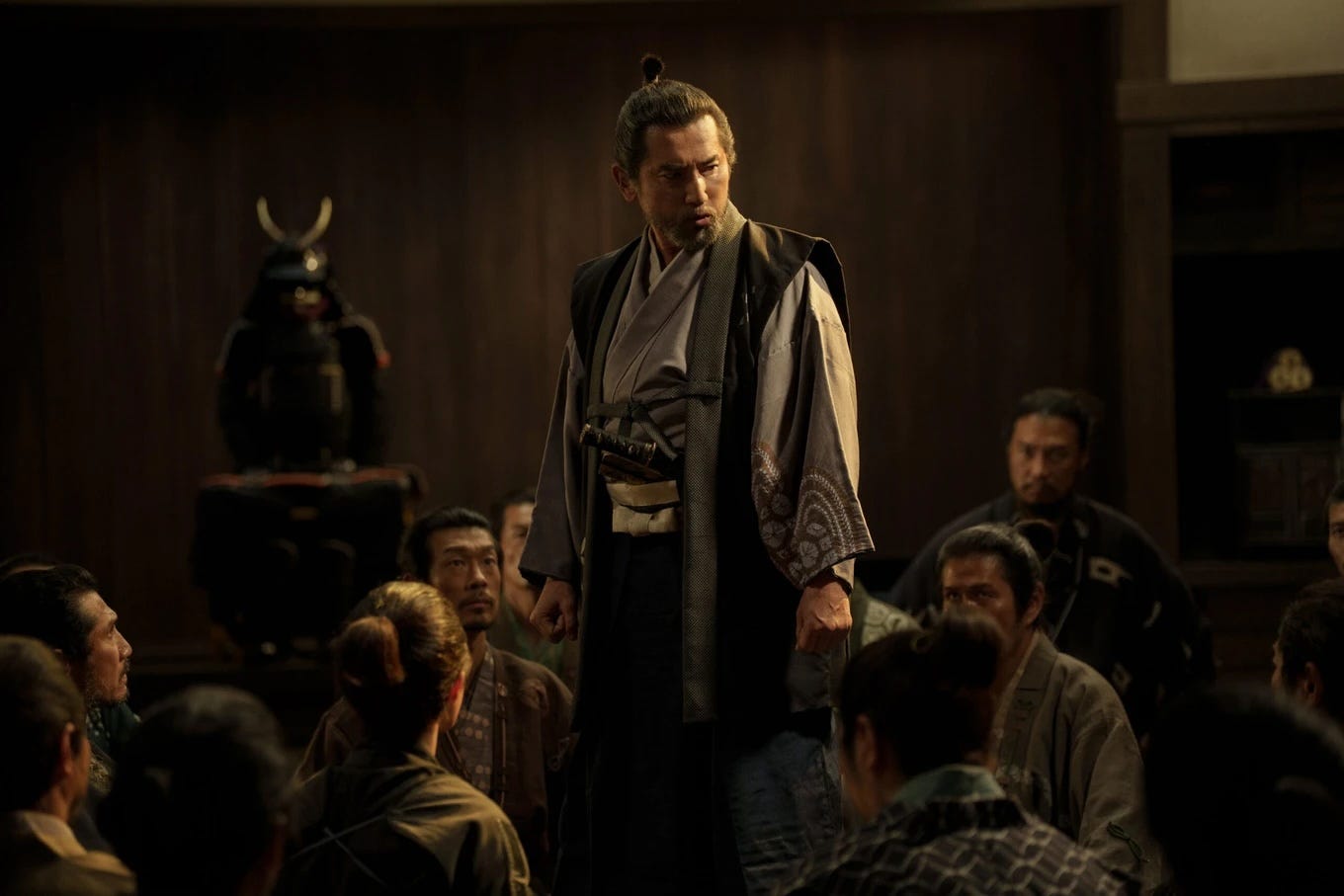
And a week from now sees the theatrical release of Kiyoshi Kurosawa’s newest film, The Samurai and The Prisoner. The director of Cure and Cloud turns to the samurai era for the first time, adapting award-winning novel Kokurojo by Honebu Yonezawa. A samurai rises up against the ruling warlord, taking the latter’s envoy hostage while under siege. After a mysterious murder happens in his castle, the samurai comes to the prisoner for advice. The premise has potential, and Kurosawa’s visual direction is strong, but the intentionally repetitive narrative structure—there are four murders, one in each season of the year—quickly wears thin. For the most part I found myself aligned with David Ehrlich’s review for Indiewire.
Cinephiles bemoan the scarcity of IMAX film prints for The Odyssey, but that’s nothing compared to Broadway.
It is standard practice for proshots to be stitched together from multiple performances and pickup shoots in an empty theater.
Another favorite adaptation of this myth is Portrait of a Lady on Fire.