

Land Marks
Italian drinking & driving in “The Last One for the Road” and indigenous dispossession in “Our Land.”
Today sees the theatrical openings for two titles I saw at last year’s New York Film Festival, both of which happen to concern themselves with ancestral lands and ways of life that are at risk of disappearing. (These reviews are revised from my NYFF dispatches.) With just twelve days to go before the Festival de Cannes, this is more or less the last quiet period for arthouse movies. (I am not attending Cannes, but if you are and would be interested in submitting a diary of what you eat & drink during your time there, hit me up!)
As for myself, I’ve been in California for the past two weeks and change. The highlights of what I ate will be in my next end-of-month report!
The Last One for the Road
Opens today in NY at Film at Lincoln Center and IFC Center, with expansion to more markets in coming weeks.
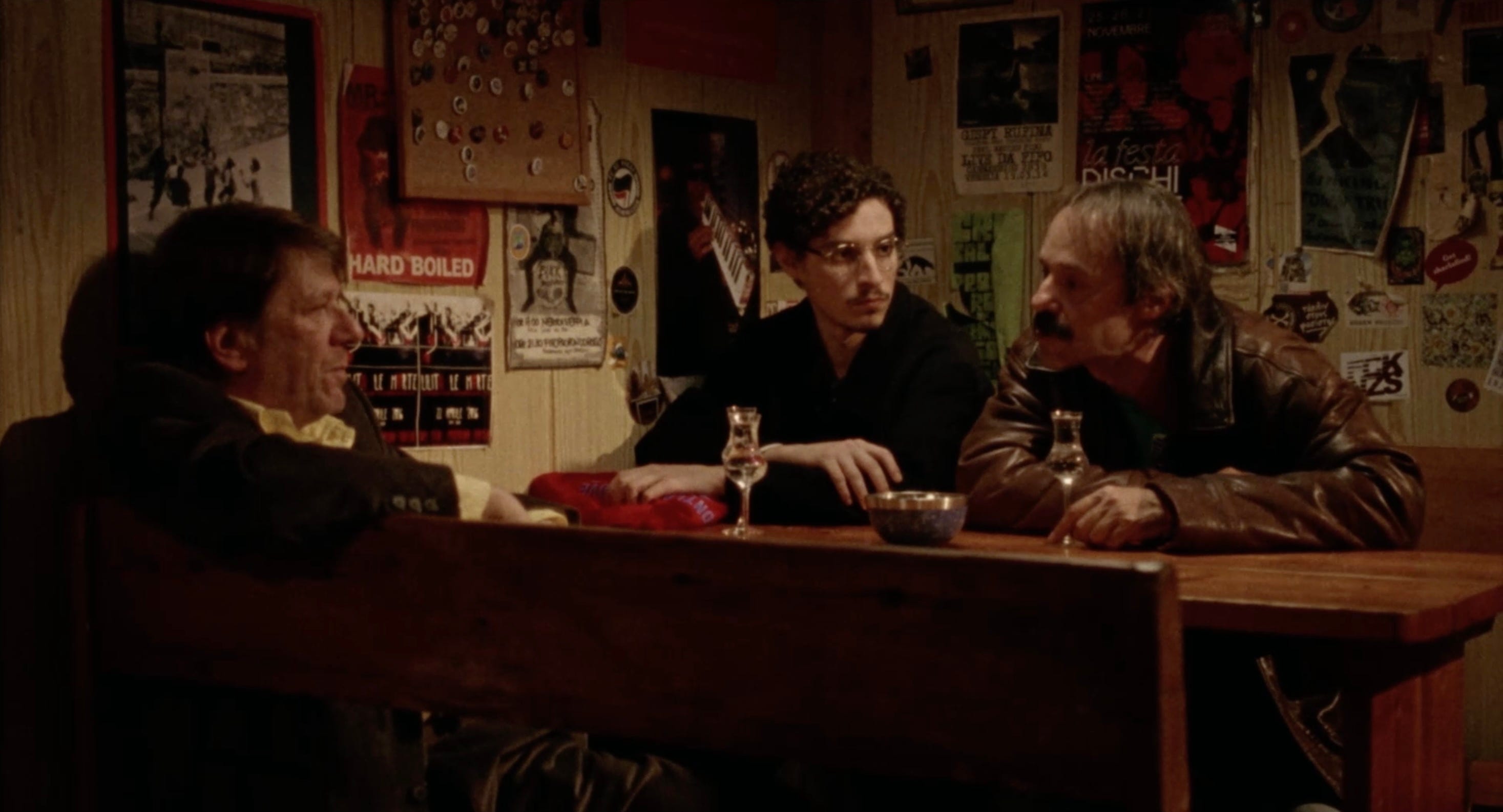
There is no better substance than alcohol for bringing a group of dudes closer together—when it’s not tearing them apart. This charming Italian film from director Francesco Sossai captures this tension while keeping the tone relaxed. (It turns out we don’t have to go full Cassavetes.) “È l’ultima?” is a constant refrain for Doriano and Carlobianchi, two middle-aged buddies who are perpetually one last drink from ending the night. In this particular slice of their lives, they’re up late to pick up a long lost friend from the airport. To pass the time, they drive around the rural plains of their native Veneto.
Hopping from one bar to the next, the pair search for a satisfying final sip, but they never quite reach the point of satiety. During one stop, they meet Giulio, a lovelorn architecture student, and take him along on their journey. This chance encounter will alter the young man’s philosophy on life and love.
The film’s Italian title, Le Città di Pianura (The City of the Plains), refers to a conversation between Giulio and Doriano midway through, which reveals Sossai to have motivations for his film that go beyond providing nice vibes. Standing before a Renaissance-era painting of the Veneto region, Giulio notes that it places Venice next to the River Po while “ignoring the cities on the plain between them.” The painting is made in the capriccio style, which juxtaposes buildings and landscapes in a manner outside of reality. Today, the land largely serves as a backdrop that one zooms past on a high-speed rail, just as ignored as it was centuries ago.
Sossai’s homage to the commedia all’italiana is a lovely little yarn, told with the whimsical realism of Aki Kaurismäki—Allora Kaurismäki, if you prefer—and textured with a musty film grain and sludgy rock soundtrack by the Italian honky tonk musician known as Krano. Just don’t attempt to recreate this film’s roadtrip on your own!
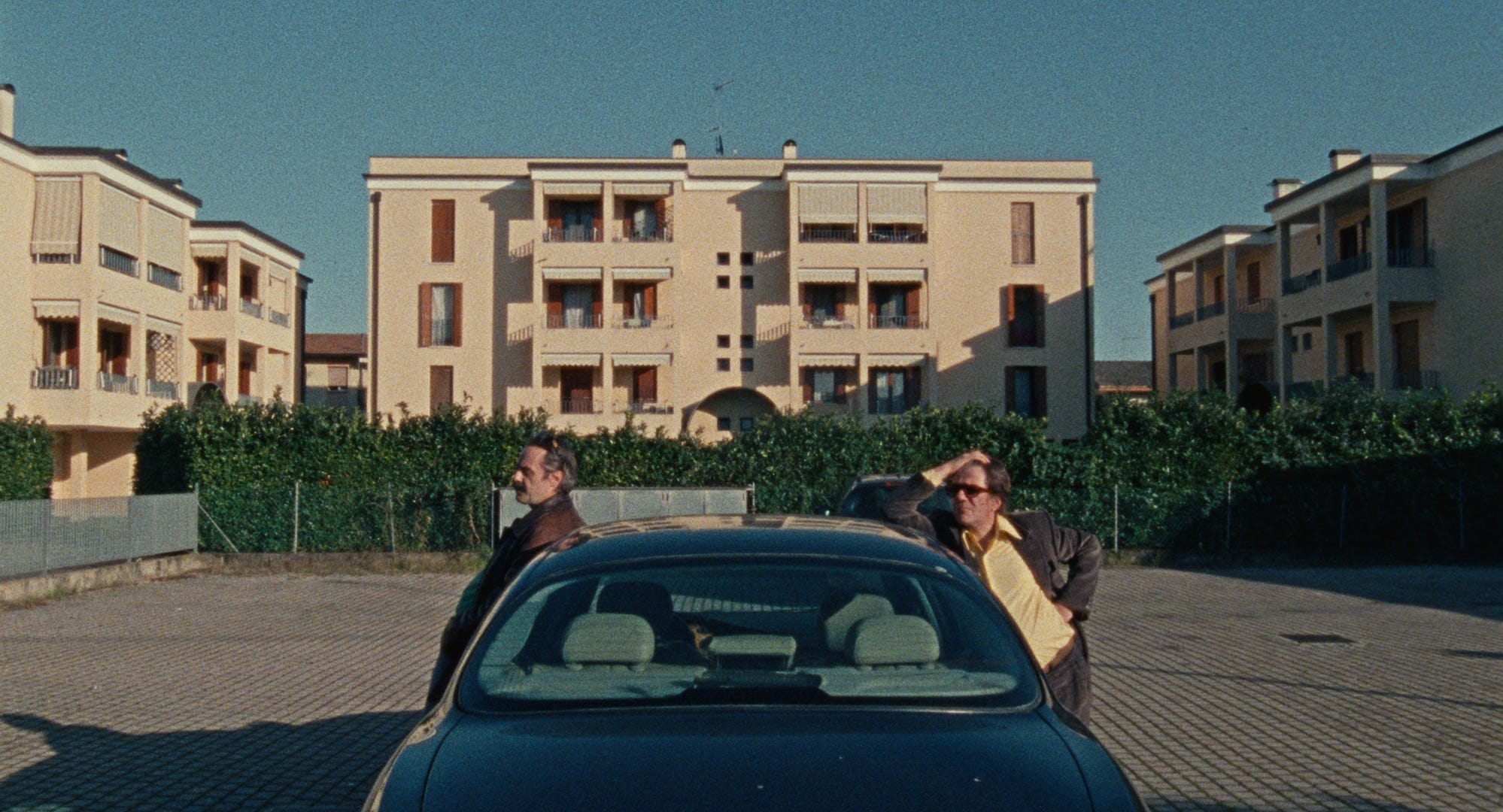
Tasting Notes: It’s one grappa after another for this trio, which they spike with coffee come sunrise. They alternate the liquor with beer. Variations to this rotation during their adventure with glugs of kalimotxos out of a plastic water bottle and sips of daiquiris mixed by a handsome Count. He adds in two drops of Pernod, which was apparently a trend back in the day. Remarkably, no one gets visibly wasted in this film; the characters drink just enough to keep a light buzz going, a level of moderation I am always trying to achieve.
Foodwise, Doriano and Carlobianchi speak warmly of their favorite restaurant and their favorite dish is snails over a bed of polenta, which I hope to cook soon as I love polenta. But when they take Giulio to Mery’s, they find it boarded up. The film ends with a couple scoops of gelato: limone and fior di latte. Doriano got a different flavor than what he had ordered, but keeping with the film’s casual air, he’s cool with it. His remark echoes my own when it comes to The Last One for the Road: “I expected a bitter flavor but in the end, it’s sweet.”
Our Land (Nuestra Tierra)
Now playing in limited release.
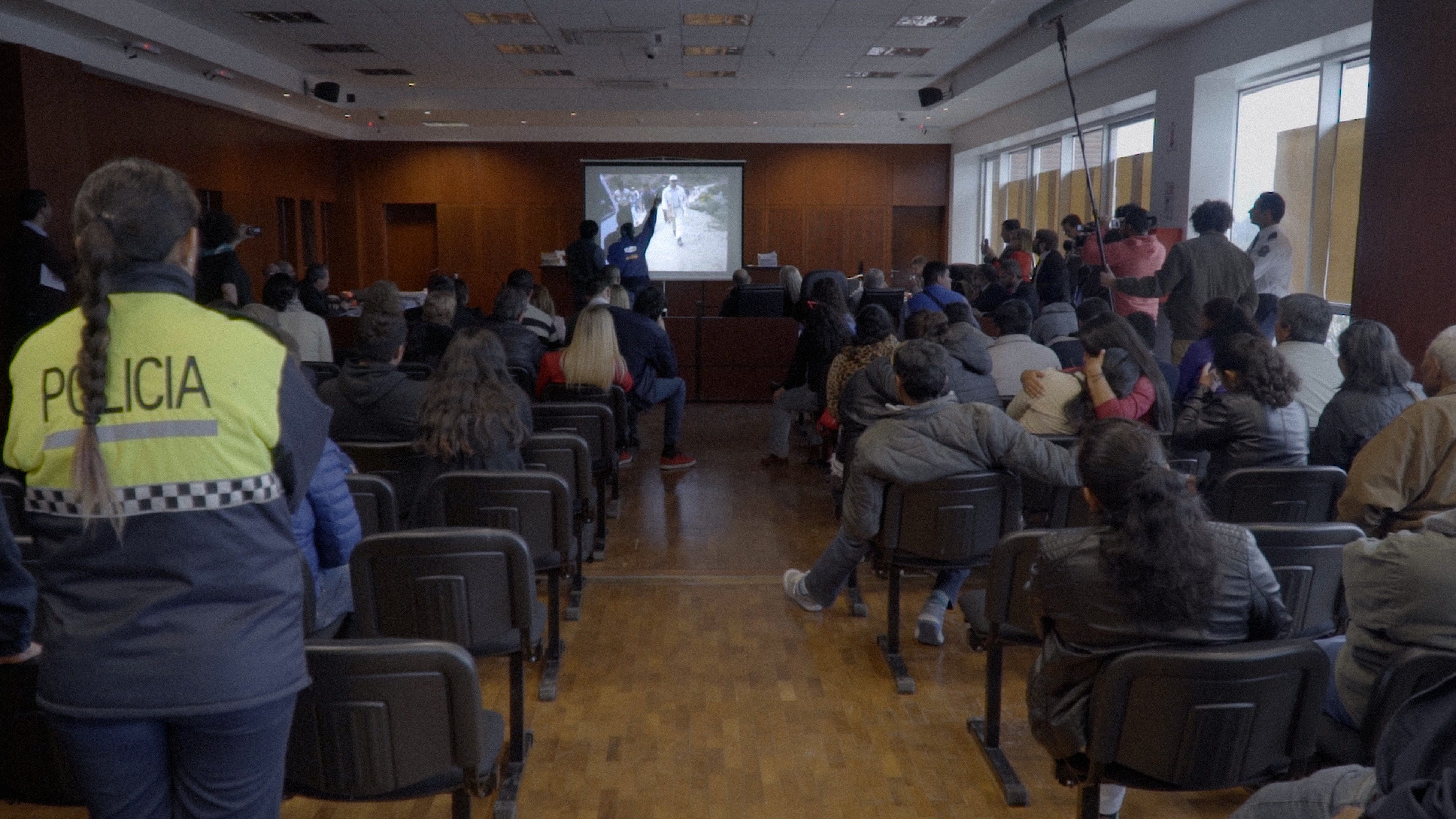
Argentinian filmmaker Lucrecia Martel (known for international arthouse faves La Ciénaga and Zama) makes her first foray into documentary with an examination of how the founding cruelties enacted by her country against its indigenous population have persisted to this day. It begins with a chronicle of the criminal trial of three mining surveyors who are accused of murdering the leader of the Chuchagasta indigenous community during a dispute over land ownership.
Without losing sight of the people affected by that incident, Martel expands beyond the initial true crime framework. Ever since the establishment of Argentina’s modern bureaucracy, tribal lands have been bought and sold without any benefit to the people living on them. An ostensibly neutral government continues to uphold colonial-era conquests; as one native notes, “paper doesn’t question the pen.” And as the killing of the Chuchagasta chief shows, bureaucratic violence is only one bullet away from reverting to its corporeal form.
Martel makes her point of view known from behind the camera—though it’s pretty tough to “both sides” the issue at hand—and the film is indisputably potent. Drawing from her body of work in narrative cinema, she leads you to her intended conclusion without being overly didactic.